
Published: 02 March, 2026 09:00 PM
Introduction: IT Is Now a Boardroom Priority
In 2026, technology is no longer just an operational necessity. It is a strategic driver of innovation, resilience, customer experience, and revenue growth. Organizations across industries are realizing that outdated IT management models cannot support the speed, complexity, and security demands of modern business.
From cloud computing and hybrid work environments to AI driven analytics and cybersecurity defense, businesses rely on stable, secure, and scalable IT ecosystems. Yet many still operate under reactive support structures that increase downtime, inflate costs, and expose them to unnecessary risks.
This is why companies are rapidly transitioning to Managed IT Services.
Managed IT Services provide proactive monitoring, strategic guidance, advanced cybersecurity, cloud optimization, and predictable cost models that enable organizations to focus on growth rather than troubleshooting.
At Wexus Win Works, we work with enterprises, mid-sized organizations, and growing businesses to modernize their IT infrastructure and turn technology into a competitive advantage.
This in depth guide explores why Managed IT Services are dominating the IT landscape in 2026 and how your organization can benefit.
The Evolution of IT Management
A decade ago, IT support was largely reactive. Something broke. A technician fixed it. Businesses paid per incident. While this model worked when systems were simple and on premises, it is no longer viable in today’s digital ecosystem.
Modern IT environments include:
Managing this complexity requires continuous monitoring, strategic oversight, and specialized expertise.
Managed IT Services evolved to meet this demand by shifting from reactive troubleshooting to proactive performance optimization.
What Exactly Are Managed IT Services?
Managed IT Services refer to outsourcing ongoing IT management responsibilities to a third party provider who ensures system performance, security, and scalability through proactive and strategic oversight.
These services typically include:
Rather than waiting for problems to occur, managed service providers prevent issues, reduce downtime, and optimize IT environments continuously.
The Core Drivers Behind the Shift in 2026
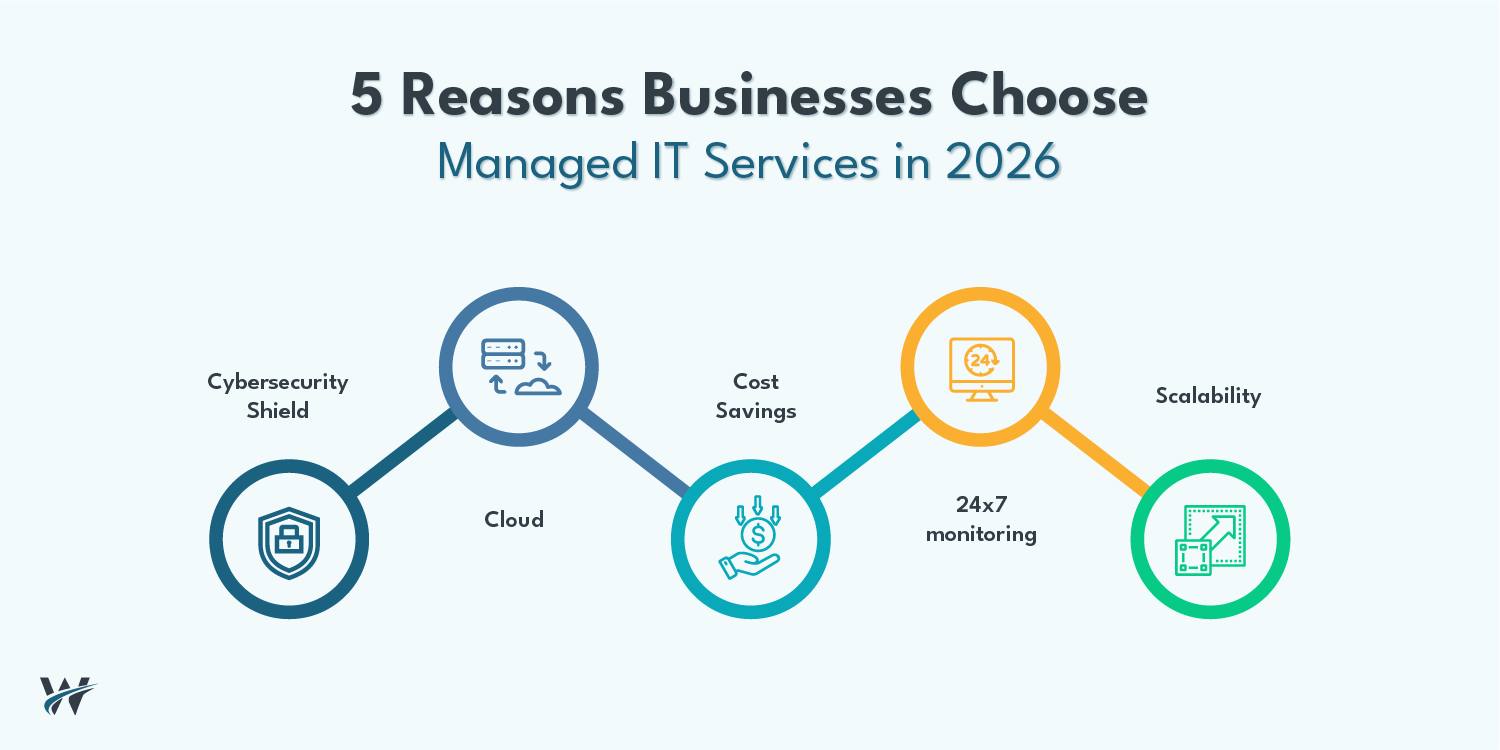
1. Cybersecurity Has Become Mission Critical
Cybercrime is more organized, automated, and financially motivated than ever before.
Businesses of all sizes face:
A single breach can cost millions in damages, legal consequences, and reputational loss.
Managed IT Services implement layered security strategies including:
This ongoing vigilance significantly strengthens organizational resilience.
2. Cloud Environments Require Active Management
Cloud adoption has accelerated, but without optimization, cloud costs spiral quickly.
Organizations frequently struggle with:
Managed IT Services ensure cloud environments remain secure, efficient, and cost optimized.
Continuous monitoring prevents waste while maintaining performance standards.
3. Downtime Is No Longer Acceptable
In digital first industries, downtime means lost revenue, customer dissatisfaction, and damaged brand credibility.
Proactive monitoring identifies anomalies before systems fail. Predictive maintenance ensures that infrastructure remains stable and reliable.
Businesses cannot afford reactive IT support in 2026.
4. IT Talent Shortages Continue to Rise
Hiring skilled IT professionals is increasingly difficult and expensive. Specialized skills in cybersecurity, cloud engineering, AI integration, and compliance management are in high demand.
Managed IT Services provide access to an entire team of certified experts without the overhead of recruitment, training, and retention challenges.
5. IT Must Align With Business Strategy
Technology decisions now impact revenue growth, operational efficiency, customer experience, and innovation.
Managed IT providers offer strategic consulting that aligns IT roadmaps with business objectives, ensuring long term scalability and ROI.
Key Benefits of Managed IT Services
Predictable and Controlled IT Costs
Instead of unpredictable repair expenses, organizations benefit from structured monthly pricing. This improves budgeting accuracy and financial forecasting.
Cost optimization strategies further reduce unnecessary cloud and licensing expenditures.
Stronger Cybersecurity Posture
Managed IT providers implement continuous monitoring systems, advanced threat detection tools, and rapid response frameworks.
This reduces vulnerability exposure and ensures regulatory compliance.
Increased Productivity Across Teams
Optimized collaboration tools, faster issue resolution, and minimal downtime allow employees to focus on their core responsibilities without IT disruptions.
Scalability for Growth
As businesses expand, IT infrastructure must scale seamlessly. Managed IT Services enable quick onboarding, infrastructure expansion, and system upgrades without operational disruption.
Enhanced Compliance and Governance
Regulatory standards continue to evolve across industries. Managed service providers implement governance frameworks that ensure data protection, audit readiness, and secure information handling.
Managed IT Services and Digital Transformation
Digital transformation initiatives often fail due to unstable IT foundations.
Managed IT Services support:
A strong IT backbone enables innovation rather than limiting it.
The Role of AI in Modern Managed IT Services
AI is reshaping how managed services operate.
Modern providers use AI powered tools for:
This enhances efficiency, reduces response times, and improves overall system performance.
AI integration within managed services ensures businesses stay ahead of technological evolution.
Industry Specific Advantages
Healthcare
Managed IT ensures compliance with patient data protection regulations while maintaining secure access to digital records.
Financial Services
Advanced cybersecurity frameworks protect sensitive financial information and transaction systems.
Manufacturing
Reliable infrastructure supports IoT devices, automation systems, and supply chain software.
Retail and E commerce
Stable cloud platforms ensure consistent uptime during peak sales periods.
Managed IT Services vs In House IT Teams
Many businesses wonder whether outsourcing IT is necessary if they already have internal teams.
The answer is not replacement. It is augmentation.
Managed IT Services complement internal teams by providing:
This hybrid model maximizes efficiency and reduces burnout among in-house IT professionals.
Risk Reduction Through Proactive Monitoring
Proactive monitoring detects irregular system behavior, suspicious login attempts, and performance degradation before they escalate into major incidents.
This approach minimizes business disruption and strengthens operational continuity.
Disaster Recovery and Business Continuity
Unexpected events such as cyberattacks, hardware failure, or natural disasters can cripple operations.
Managed IT Services implement:
This ensures minimal downtime and rapid restoration of services.
Long Term Strategic Value
Managed IT Services are not just about maintaining servers or resetting passwords.
They contribute to:
Businesses gain a strategic partner rather than a reactive support vendor.
Why Wexus Win Works Is the Right Managed IT Partner
At Wexus Win Works, we combine technical depth with strategic insight.
Our managed services include:
We understand that every organization has unique operational goals. Our approach focuses on measurable outcomes, security resilience, and scalable growth.
We do not just manage IT. We transform it.
The Future of Managed IT Services Beyond 2026
Looking ahead, Managed IT Services will continue evolving with:
Businesses that adopt proactive IT strategies today will lead tomorrow’s markets.
Conclusion: IT as a Competitive Advantage
The shift toward Managed IT Services is a direct response to the realities of modern business.
Organizations face increasing cybersecurity threats, cloud complexity, regulatory pressure, and talent shortages. Reactive IT models cannot support digital transformation ambitions.
Managed IT Services provide:
In 2026, forward thinking businesses recognize that IT is not just infrastructure. It is a strategic asset.
Partnering with a trusted managed services provider like Wexus Win Works ensures your organization remains secure, agile, and future ready.
Ready to Transform Your IT Operations?
If your organization is ready to reduce risk, optimize performance, and build a resilient digital infrastructure, now is the time to act.
Connect with Wexus Win Works to explore how our Managed IT Services can empower your business with secure, scalable, and intelligent technology solutions designed for long term success.