
Introduction
Modern businesses depend on a growing network of technology vendors to keep operations running efficiently. From Microsoft 365, Azure, cloud infrastructure, cybersecurity solutions, software licensing, telecommunications, managed IT services, and hardware providers, every organization relies on multiple partners to support daily business functions.
While these vendors provide valuable products and services, managing them effectively is often overlooked. Contracts are renewed without review, software licenses go unused, service levels decline, and costs increase over time. Without a structured approach, organizations can end up paying more while receiving less value.
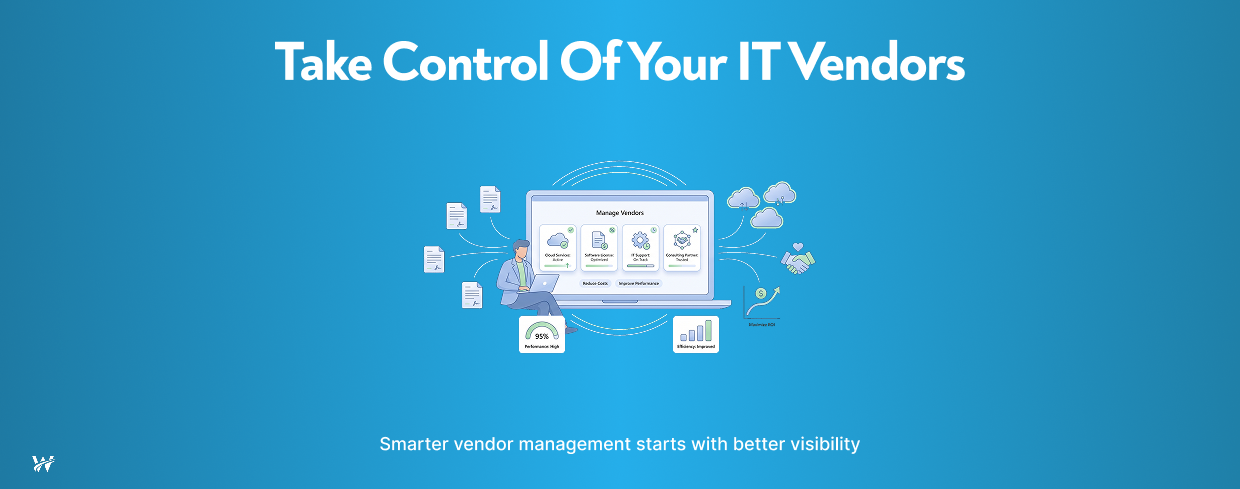
IT Vendor Management is the process of strategically managing technology suppliers to ensure they deliver quality services, meet business expectations, and provide the best return on investment. By implementing a proactive vendor management strategy, businesses can improve service quality, strengthen cybersecurity, reduce operational risk, and optimize technology spending.
What is IT Vendor Management?
IT Vendor Management is the ongoing process of selecting, evaluating, monitoring, and improving relationships with technology vendors throughout the entire lifecycle of the partnership.
Rather than treating vendors as separate suppliers, organizations view them as strategic partners who contribute to business success.
A comprehensive vendor management program typically includes:
Whether a business works with cloud providers, cybersecurity vendors, IT staffing partners, or managed service providers, having clear processes helps maximize value from every technology investment.
Why IT Vendor Management Matters
Technology spending continues to increase as organizations adopt cloud platforms, artificial intelligence, remote work solutions, cybersecurity tools, and business applications. At the same time, managing multiple vendor relationships has become more complex.
Without effective oversight, businesses often experience:
An organized vendor management strategy helps eliminate these challenges while improving operational efficiency.
Key Benefits of Effective IT Vendor Management
Improve Service Quality
Technology vendors are expected to meet agreed service levels and performance standards. Regular monitoring ensures vendors deliver on their commitments.
Organizations should routinely measure:
Tracking performance enables businesses to identify issues early and hold vendors accountable for delivering consistent results.
Control Technology Costs
Technology expenses can quickly grow as businesses expand. Multiple departments may purchase software independently, creating duplicate applications and unnecessary licensing costs.
Vendor management helps organizations:
Cost optimization does not simply mean spending less. It means ensuring every dollar invested delivers measurable business value.
Reduce Business Risk
Technology vendors often have access to sensitive business systems and data. Poor vendor oversight can introduce cybersecurity, compliance, and operational risks.
Vendor management includes evaluating vendors for:
Working with trusted vendors that follow recognized security standards helps reduce the likelihood of service disruptions and data breaches.
Simplify Vendor Relationships
Managing dozens of vendors without clear ownership can create confusion and slow decision-making.
A structured vendor management process establishes:
This improves collaboration while reducing delays and misunderstandings.
Support Better Business Decisions
Vendor management provides valuable insights into technology performance and spending.
Businesses can evaluate vendors using measurable metrics such as:
These insights help leadership make informed procurement and investment decisions.
The Vendor Management Lifecycle
Successful vendor management follows a structured lifecycle that supports continuous improvement.
Choosing the right vendor begins with understanding business requirements.
Evaluation criteria often include:
Selecting vendors based on long-term value rather than lowest cost often produces better business outcomes.
Contracts define expectations for both parties.
Effective contract management includes reviewing:
Organizations should maintain a centralized repository for vendor contracts to avoid missed renewals or unexpected costs.
Many businesses pay for software licenses that employees no longer use.
Regular license audits help organizations:
Effective license management reduces waste while supporting workforce productivity.
Vendor relationships should be measured continuously rather than only during renewal periods.
Performance reviews may include:
Objective performance metrics encourage accountability and continuous improvement.
Renewal discussions should begin well before contract expiration.
Early planning allows organizations to:
This proactive approach often results in better contract terms and reduced costs.
Common Vendor Management Challenges
Many organizations struggle with vendor management because responsibilities are spread across different departments.
Common challenges include:
Too Many Vendors
Businesses often acquire new software as they grow, leading to overlapping tools and fragmented support.
Vendor consolidation can simplify management while reducing costs.
Limited Visibility
Without centralized tracking, organizations may not know:
Maintaining accurate vendor records improves financial and operational planning.
Inconsistent Performance Reviews
Some vendors receive regular evaluations while others continue operating without accountability.
Standardized performance reviews ensure every vendor meets consistent expectations.
Security and Compliance Risks
Third-party vendors can introduce vulnerabilities if security assessments are not performed regularly.
Vendor risk management should become part of every organization's cybersecurity strategy.
Best Practices for Effective IT Vendor Management
Organizations can improve vendor relationships by following proven best practices.
Review Contracts Regularly
Do not wait until renewal dates. Conduct periodic reviews to ensure contracts continue supporting business objectives and reflect current operational needs.
Track Software Utilization
Monitor application usage to identify unused licenses, duplicate subscriptions, and opportunities to optimize software investments.
Monitor Service Level Agreements
Measure vendor performance against agreed response times, availability, and support commitments. Address recurring issues before they affect business operations.
Standardize Vendor Evaluations
Use consistent scorecards that measure performance, cost, reliability, security, and customer support across all vendors.
Build Strategic Partnerships
Strong vendor relationships are built on collaboration rather than transactional purchasing.
Organizations that work closely with trusted technology partners often gain access to product updates, technical expertise, and innovation opportunities.
Centralize Vendor Information
Maintain a single repository for contracts, invoices, licenses, renewal dates, contact information, and performance reports. This improves visibility and simplifies vendor oversight.
Align Vendors with Business Goals
Technology investments should support broader business objectives such as digital transformation, cloud adoption, cybersecurity, operational efficiency, and business growth.
How IT Consulting Supports Vendor Management
Many organizations partner with experienced IT Consulting firms to strengthen their vendor management processes.
An IT consulting partner can help by:
By combining technical expertise with procurement knowledge, consultants help organizations maximize the value of every vendor relationship while reducing operational complexity.
Conclusion
Technology vendors play a critical role in supporting modern business operations, but simply purchasing software or services is not enough. Effective IT Vendor Management ensures every vendor delivers measurable value, maintains high service quality, supports security and compliance requirements, and contributes to long-term business success.
With a structured approach to vendor selection, contract management, performance monitoring, and renewal planning, organizations can reduce unnecessary costs, improve operational efficiency, and make smarter technology investments. As businesses continue adopting cloud platforms, AI solutions, cybersecurity tools, and managed services, strong vendor management becomes an essential component of a successful IT strategy.
Call to Action
Your technology vendors should be helping your business grow, not adding unnecessary complexity or costs.
Wexus Win Works provides expert IT Consulting, IT Management, Managed Services, cloud solutions, Microsoft licensing support, and vendor management services to help organizations optimize their technology investments.
Contact us today to discover how we can help you simplify vendor management, reduce IT costs, and maximize the value of your technology ecosystem.