
Published: 01 April 2026, 09:00 PM
Introduction
In today’s technology-driven world, businesses rely heavily on IT systems to manage operations, communicate with customers, and deliver services. From emails and cloud platforms to enterprise applications and network infrastructure, every aspect of modern business depends on technology functioning smoothly.
However, IT issues are inevitable. Systems can crash, software can malfunction, networks can slow down, and security vulnerabilities can arise without warning. Even a minor technical problem can disrupt workflows, delay tasks, and impact customer satisfaction.
This is where IT helpdesk support plays a crucial role. A reliable IT helpdesk ensures that technical issues are resolved quickly and efficiently, minimizing disruption and maintaining productivity.
In modern organizations, helpdesk support is not just a support function. It is a critical component of IT service management and a key driver of business continuity.
What Is IT Helpdesk Support
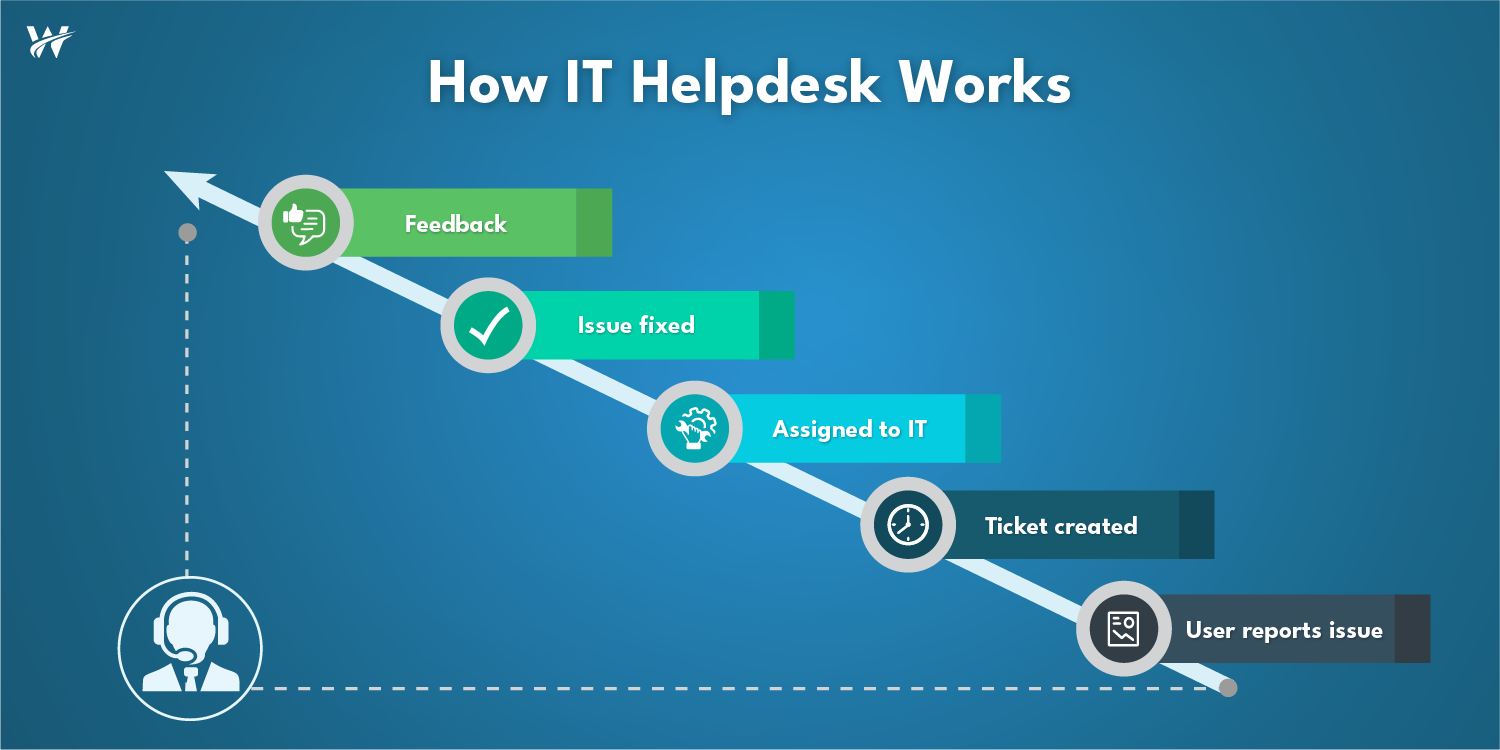
IT helpdesk support is a centralized service that provides technical assistance to employees, customers, or end users. It acts as the first point of contact for resolving IT-related issues.
Helpdesk teams handle a wide range of problems, including:
The goal of IT helpdesk support is simple. Resolve issues quickly, reduce downtime, and ensure users can continue their work without interruptions.
Modern helpdesks use advanced tools and systems to manage requests efficiently. These include ticketing systems, remote support tools, automation platforms, and knowledge bases.
Why IT Helpdesk Support Is Important for Business Continuity
Business continuity refers to an organization’s ability to maintain operations during disruptions. IT helpdesk support plays a vital role in ensuring that technical problems do not escalate into major business interruptions.
Downtime is one of the biggest threats to business productivity. When systems are unavailable, employees cannot perform their tasks, and operations come to a halt.
A responsive IT helpdesk ensures:
By reducing downtime, businesses can maintain operational efficiency and avoid revenue loss.
Employees rely on technology to perform their daily tasks. When technical issues arise, productivity drops significantly.
Without helpdesk support, employees may:
With a dedicated IT helpdesk:
This leads to improved efficiency and better overall performance.
A well-functioning helpdesk improves the experience for both employees and customers.
When users receive:
They feel supported and confident in the organization’s IT capabilities.
For customer-facing businesses, helpdesk support also ensures that customer issues are resolved promptly, leading to higher satisfaction and stronger relationships.
The rise of remote and hybrid work has made IT support more complex. Employees are no longer working from a single office environment.
They may face issues such as:
An IT helpdesk provides remote support, ensuring that employees receive assistance regardless of their location.
This is essential for maintaining productivity in distributed work environments.
Cybersecurity threats are increasing, and organizations must respond quickly to potential risks.
IT helpdesk teams play a key role in:
By addressing issues early, helpdesk support helps reduce security risks and protect sensitive data.
Consistency is critical in IT operations. A structured helpdesk system ensures that all issues are handled in a standardized manner.
This includes:
As a result, businesses can deliver reliable IT services and maintain operational stability.
Key Features of Modern IT Helpdesk Support
Modern IT helpdesk systems are designed to be efficient, scalable, and user-friendly. They incorporate advanced features to improve service quality and response times.
Ticketing systems are the backbone of helpdesk operations. They allow organizations to:
This ensures that no issue is overlooked and all requests are managed efficiently.
Remote support tools enable helpdesk teams to access user devices and resolve issues without being physically present.
Benefits include:
This capability is essential in today’s digital workplace.
Businesses operate across different time zones, and technical issues can occur at any time.
24/7 helpdesk support ensures:
This is particularly important for global organizations and customer-facing services.
Automation and artificial intelligence are transforming helpdesk operations.
Examples include:
These technologies reduce manual effort, speed up response times, and improve efficiency.
A knowledge base is a centralized repository of information that helps users solve common issues on their own.
It includes:
Benefits of knowledge bases:
Modern helpdesks provide insights into performance metrics such as:
These insights help organizations identify areas for improvement and optimize support services.
Common Challenges in IT Helpdesk Support
While helpdesk support is essential, organizations often face challenges in managing it effectively.
Large organizations receive a high number of support requests daily. Without proper systems, this can lead to delays and inefficiencies.
Effective helpdesk support requires skilled professionals who can diagnose and resolve issues quickly.
A shortage of trained staff can impact service quality.
Miscommunication between users and support teams can lead to misunderstandings and delays in issue resolution.
As businesses grow, their IT support needs increase. Traditional helpdesk systems may struggle to scale effectively.
Outdated tools can slow down response times and reduce efficiency. Modern helpdesk solutions are necessary for optimal performance.
Best Practices for Effective IT Helpdesk Support
To maximize the benefits of IT helpdesk support, organizations should follow best practices.
A well-structured ticketing system ensures efficient issue tracking and resolution.
Critical issues should be addressed immediately, while less urgent requests can be handled later.
Helpdesk staff should be trained regularly to stay updated with the latest technologies and troubleshooting techniques.
Automation reduces manual effort and improves efficiency.
A comprehensive knowledge base helps users resolve common issues independently.
Regular monitoring helps identify bottlenecks and improve service quality.
Helpdesk support is not just about technical skills. Communication and customer service are equally important.
How Wexus Win Works Helps
Wexus Win Works provides comprehensive IT helpdesk and support solutions designed to ensure business continuity and operational efficiency.
Dedicated support teams handle technical issues efficiently, ensuring quick resolution and minimal disruption.
End-to-end IT management allows businesses to focus on core operations while experts handle technical challenges.
Advanced remote tools enable quick troubleshooting and support for distributed teams.
Proactive monitoring helps identify and resolve issues before they impact operations.
Flexible solutions are designed to grow with business needs, ensuring long-term efficiency.
Support services include security monitoring and incident response to protect business data.
The Future of IT Helpdesk Support
IT helpdesk support is evolving with advancements in technology.
Key trends include:
These innovations will make helpdesk support faster, smarter, and more efficient.
Conclusion
IT helpdesk support is no longer just a reactive service. It is a critical component of modern business operations and a key factor in ensuring business continuity.
By minimizing downtime, improving productivity, enhancing user experience, and supporting remote work, helpdesk support enables organizations to operate smoothly in a technology-driven environment.
Businesses that invest in modern helpdesk solutions gain a competitive advantage by ensuring reliability, efficiency, and customer satisfaction.
With the right tools, processes, and expertise, IT helpdesk support becomes a powerful driver of growth and stability.