
Published: 15 May 2026, 09:00PM
Introduction
In today’s digital business environment, technology plays a central role in daily operations. From communication systems and cloud applications to cybersecurity tools and enterprise software, organizations rely heavily on IT infrastructure to maintain productivity and deliver quality customer service. However, technical issues, software failures, login problems, hardware malfunctions, and network disruptions can quickly impact business operations if they are not resolved efficiently.
When employees face technical difficulties, productivity declines. Similarly, when customers experience unresolved issues or delayed responses, customer satisfaction and brand trust suffer. Businesses cannot afford long downtimes, slow issue resolution, or inefficient support systems in a highly competitive market.
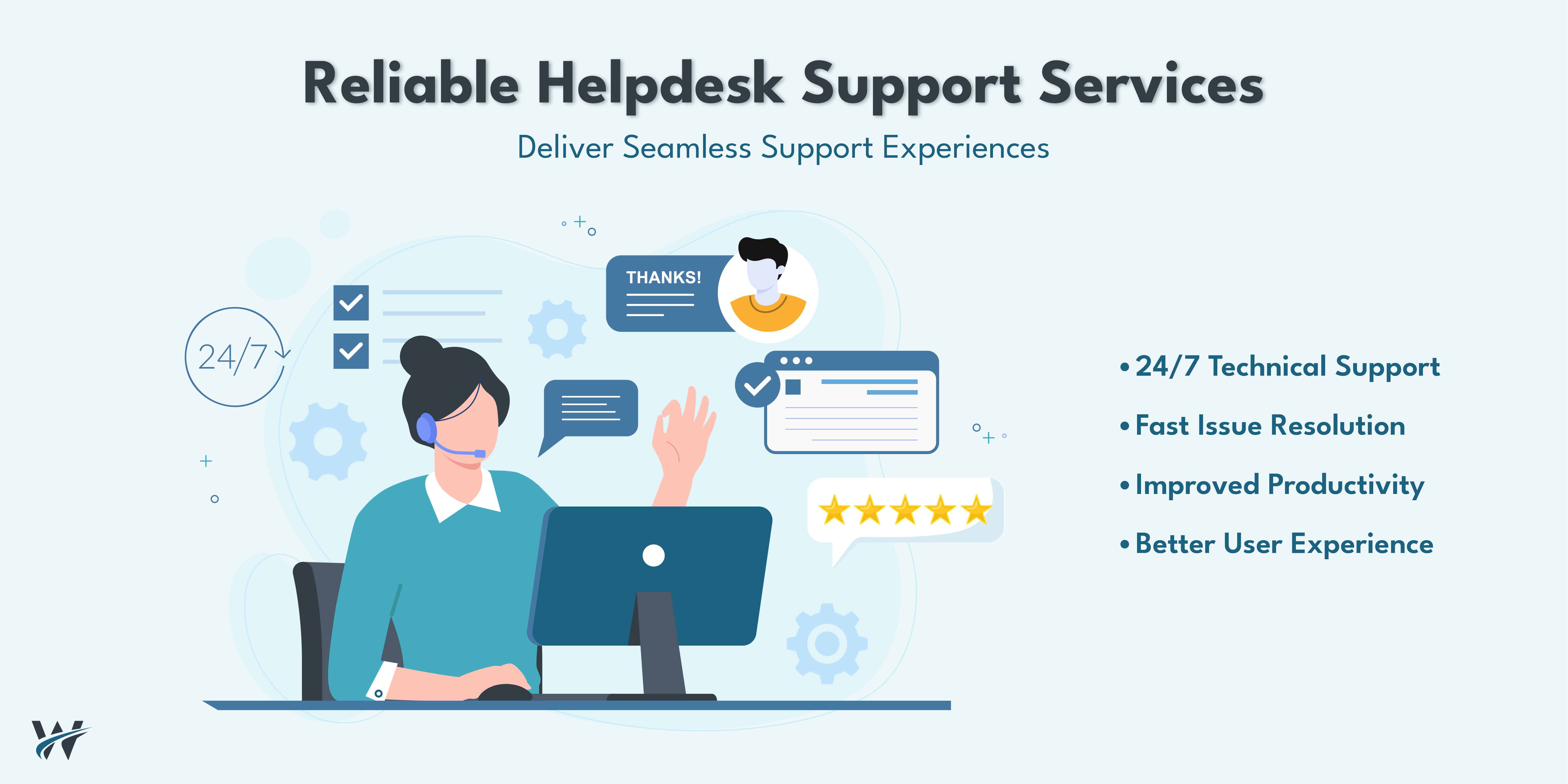
This is where Helpdesk Support Services become essential. Helpdesk support provides businesses with structured technical assistance, issue management, troubleshooting, and user support to ensure smooth operations. Whether supporting internal employees or external customers, helpdesk teams play a critical role in maintaining business continuity and delivering positive technology experiences.
Modern helpdesk support services combine skilled IT professionals, ticket management systems, remote support tools, cloud-based monitoring, and automation technologies to provide fast and reliable assistance. Organizations across industries now depend on professional helpdesk support to improve operational efficiency, reduce downtime, strengthen cybersecurity, and enhance customer satisfaction.
This blog explores Helpdesk Support Services, their benefits, key components, importance for modern businesses, and how organizations can leverage them to improve employee and customer experiences.
What Are Helpdesk Support Services?
Helpdesk Support Services refer to technical support solutions that help organizations resolve IT-related issues, assist users, and maintain smooth technology operations. Helpdesk teams act as the primary point of contact for employees and customers facing technical problems.
The primary objective of a helpdesk is to identify, track, manage, and resolve technical issues efficiently while minimizing downtime and disruptions.
Helpdesk support services typically include:
Helpdesk services may be delivered through:
Businesses can choose between:
With increasing digital transformation initiatives, organizations now require scalable and reliable helpdesk systems capable of supporting remote workforces, cloud applications, cybersecurity operations, and customer support environments.
The Role of Helpdesk Support in Modern Businesses
Technology issues can occur at any time and impact employees, customers, partners, and business operations. Helpdesk support ensures these issues are resolved quickly and efficiently.
Modern helpdesk services support businesses by:
Without effective helpdesk support, businesses often face:
A professional helpdesk service creates a structured and organized support environment that allows businesses to respond quickly to technical challenges.
Key Components of Helpdesk Support Services
A ticket management system is the foundation of helpdesk operations. It allows businesses to log, categorize, prioritize, assign, and track support requests.
Ticketing systems help organizations:
Modern ticketing systems often include automation features that prioritize critical issues and route tickets to appropriate specialists.
Helpdesk professionals diagnose and resolve technical problems affecting users and systems.
Common issues include:
Efficient troubleshooting reduces downtime and ensures users can resume work quickly.
Remote assistance enables support teams to access systems securely and resolve issues without requiring on-site visits.
Remote support benefits include:
Remote support has become especially important with the rise of hybrid and remote work environments.
Knowledge bases provide users with self-service resources such as:
A well-maintained knowledge base reduces ticket volume and empowers users to resolve minor issues independently.
SLAs define response and resolution expectations between businesses and support providers.
Helpdesk teams monitor:
SLA management ensures accountability and consistent service quality.
Benefits of Helpdesk Support Services
One of the most important advantages of helpdesk support services is rapid issue resolution.
When technical problems are resolved quickly:
Advanced ticket management systems and experienced support teams help organizations reduce response times significantly.
Fast issue resolution is critical for businesses operating in industries such as healthcare, finance, government, retail, and IT services where downtime can result in serious financial and operational consequences.
Technical disruptions can significantly affect workforce efficiency. Employees often lose valuable time dealing with system failures, software errors, or access issues.
Helpdesk support improves productivity by:
When employees can focus on their core responsibilities instead of technical challenges, overall business performance improves.
Organizations with reliable IT helpdesk services experience smoother workflows, better communication, and higher employee satisfaction.
Customer expectations continue to rise in the digital era. Customers expect businesses to provide quick, efficient, and reliable support experiences.
Helpdesk support enhances customer satisfaction through:
When customer concerns are addressed promptly, businesses build stronger relationships, improve customer retention, and increase brand trust.
Excellent customer support can also become a competitive advantage in industries where service quality influences purchasing decisions.
A centralized helpdesk system improves operational efficiency by organizing all support activities within a single platform.
Benefits of centralized support include:
Centralized systems also provide valuable insights into recurring technical issues, enabling businesses to identify long-term solutions and improve IT infrastructure.
Modern businesses operate across multiple time zones and often require continuous system availability.
24/7 helpdesk support ensures businesses receive assistance whenever issues occur.
This is especially important for:
Round-the-clock support minimizes downtime and helps businesses maintain uninterrupted operations.
Cybersecurity threats continue to increase across industries. Helpdesk teams play an important role in identifying and responding to security incidents.
Helpdesk support contributes to cybersecurity by:
Integrated IT support and cybersecurity services strengthen organizational resilience against cyber threats.
Outsourced or managed helpdesk services help organizations reduce operational costs associated with maintaining large internal IT teams.
Benefits include:
Businesses can allocate resources more efficiently while maintaining high-quality technical support.
Why Businesses Need Helpdesk Support Services
Increasing Dependence on Technology
Businesses rely heavily on digital platforms, cloud computing services, collaboration tools, CRM systems, ERP platforms, and cybersecurity infrastructure.
Without reliable technical support, even small issues can disrupt operations and impact revenue.
Remote and Hybrid Work Environments
The rise of remote work has increased the need for reliable IT support services.
Remote employees require assistance with:
Helpdesk support ensures remote teams remain productive and secure.
Growing Customer Expectations
Customers expect immediate support and seamless digital experiences.
Businesses that fail to provide responsive support risk losing customers to competitors.
Helpdesk services help organizations maintain high service standards and improve customer engagement.
Business Continuity Requirements
Downtime can lead to:
Helpdesk support services help businesses maintain continuity by resolving issues quickly and preventing recurring problems.
Types of Helpdesk Support Services
IT Helpdesk Support
Focuses on resolving technical issues related to:
Customer Support Helpdesk
Assists customers with:
Internal Employee Support
Supports internal teams with:
Managed Helpdesk Services
Third-party providers manage complete support operations, offering scalable and cost-effective IT support solutions.
Helpdesk Support and Digital Transformation
Digital transformation initiatives require businesses to modernize infrastructure, adopt cloud technologies, and implement advanced applications.
Helpdesk support plays a critical role in digital transformation by:
Organizations investing in digital transformation require skilled helpdesk professionals to manage increasingly complex IT environments.
Emerging Trends in Helpdesk Support Services
AI-Powered Helpdesk Solutions
Artificial intelligence is transforming helpdesk operations through:
AI-driven support improves efficiency and reduces response times.
Cloud-Based Helpdesk Platforms
Cloud-based support platforms offer:
Cloud helpdesk solutions are becoming increasingly popular among modern enterprises.
Omnichannel Support
Businesses now provide support across multiple channels including:
Omnichannel support improves user experiences and communication consistency.
Automation and Self-Service
Automation tools reduce repetitive tasks and improve efficiency through:
These technologies allow support teams to focus on complex issues.
Choosing the Right Helpdesk Support Provider
Businesses should evaluate several factors when selecting a helpdesk support provider.
Industry Experience
Choose providers with expertise in:
Scalability
Support services should scale with business growth and evolving technology needs.
Security Standards
Providers should follow strong cybersecurity and compliance practices to protect sensitive business data.
Response Time and SLAs
Evaluate support availability, response times, and service guarantees.
Technology Expertise
The provider should support modern technologies including:
The Future of Helpdesk Support Services
The future of helpdesk support will be shaped by:
Businesses will increasingly adopt proactive support models that identify and resolve issues before they impact operations.
AI-driven analytics and automation will improve support efficiency while reducing operational costs.
Human expertise will continue to remain essential for complex problem-solving, strategic IT management, and customer relationship building.
Organizations that invest in advanced helpdesk support solutions will gain significant advantages in operational efficiency, customer satisfaction, and business continuity.
Conclusion
Helpdesk Support Services are essential for modern businesses seeking to improve operational efficiency, employee productivity, and customer satisfaction. As organizations become more dependent on digital technologies, the demand for reliable technical support continues to grow.
Professional helpdesk support helps businesses minimize downtime, resolve technical issues quickly, improve communication, strengthen cybersecurity, and maintain seamless day-to-day operations.
From ticket management and remote assistance to AI-powered automation and cloud-based support platforms, modern helpdesk services provide organizations with the tools needed to succeed in today’s fast-paced digital environment.
Businesses that invest in scalable and efficient helpdesk support services can improve technology experiences for both employees and customers while building a more resilient and productive organization.
Call to Action
Looking to improve your IT support operations and enhance employee productivity?
Our Helpdesk Support Services provide fast, reliable, and scalable technical assistance tailored to your business needs. From 24/7 support and ticket management to cloud, cybersecurity, and Microsoft technology support, we help businesses maintain seamless operations and deliver exceptional user experiences.
Contact us today to strengthen your IT support strategy and reduce operational downtime.