
Published: 24 April 2026, 09:00PM
Introduction
In today’s fast moving digital economy, businesses are under constant pressure to make accurate, timely, and strategic decisions. Financial data plays a central role in guiding these decisions, while information technology provides the tools needed to process, analyze, and act on that data. However, many organizations still operate with disconnected financial systems and IT infrastructure, leading to inefficiencies, delays, and missed opportunities.
When financial advisory services are not aligned with IT systems, businesses often struggle with fragmented data, inconsistent reporting, and limited visibility into their financial health. This disconnect makes it difficult for leadership teams to make informed decisions that drive growth and profitability.
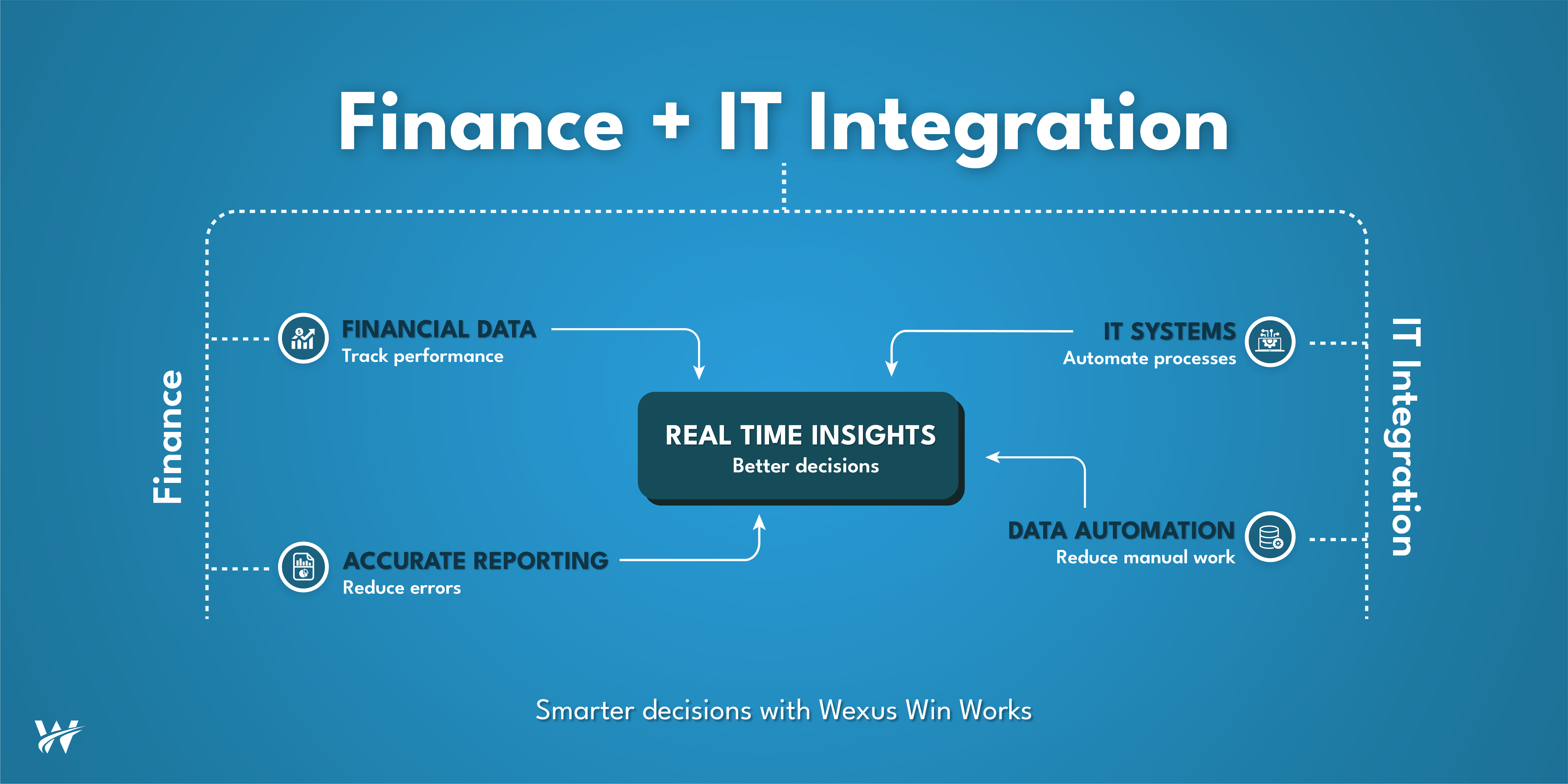
Integrating financial advisory with IT solutions is no longer optional. It is a critical strategy for businesses that want to improve planning, enhance reporting accuracy, and gain real time insights. By combining financial expertise with modern technology, organizations can streamline operations, reduce errors, and make smarter business decisions.
What Is Financial Advisory and IT Integration
Financial advisory and IT integration refers to the process of aligning financial management practices with technology systems to create a unified and efficient operational environment. This involves connecting accounting tools, enterprise resource planning systems, data analytics platforms, and reporting tools to ensure seamless data flow across the organization.
Financial advisors provide insights into budgeting, forecasting, risk management, and investment planning. IT systems, on the other hand, enable automation, data processing, and real time reporting. When these two functions work together, businesses gain a comprehensive view of their financial performance.
This integration allows organizations to move away from manual processes and adopt automated, data driven approaches that improve accuracy and efficiency. It also ensures that financial data is accessible, reliable, and actionable across departments.
Why Integration Matters
Many businesses still rely on outdated systems or disconnected tools for managing their financial operations. This lack of integration creates several challenges that can negatively impact performance and decision making.
One of the most common issues organizations face is scattered financial data. Information is often stored across multiple systems such as spreadsheets, accounting software, and standalone applications. This fragmentation makes it difficult to get a complete and accurate view of financial performance.
Without centralized data, teams spend significant time gathering and reconciling information. This not only slows down processes but also increases the risk of errors.
Manual reporting is time consuming and prone to mistakes. Many organizations still rely on manual data entry and spreadsheet based reporting, which can lead to inconsistencies and inaccuracies.
These processes also limit the ability to generate reports quickly, making it harder for decision makers to respond to changing business conditions.
In a competitive business environment, real time insights are essential. Without integrated systems, financial data is often delayed or outdated, preventing organizations from making timely decisions.
This lack of visibility can result in missed opportunities, inefficient resource allocation, and poor financial planning.
When financial data is incomplete or inaccurate, decision making suffers. Leaders may rely on outdated reports or assumptions, leading to strategies that do not align with actual business conditions.
Integration ensures that decision makers have access to accurate and up to date information, enabling more informed and effective choices.
How IT Improves Financial Operations
Integrating IT solutions into financial operations transforms the way businesses manage and use their data. Technology enables automation, enhances accuracy, and provides deeper insights that support strategic planning.
Automated Reporting
Automation is one of the most significant benefits of IT integration. Automated reporting tools eliminate the need for manual data entry and reduce the time required to generate financial reports.
With automation, data is collected and processed in real time, ensuring that reports are always up to date. This allows finance teams to focus on analysis and strategy rather than routine tasks.
Real Time Data Access
Integrated systems provide real time access to financial data, giving businesses a clear and current view of their performance. Decision makers can monitor key metrics, track trends, and identify issues as they arise.
Real time data access also improves collaboration across departments, as teams can work with the same information and align their strategies accordingly.
Data Accuracy
Data accuracy is critical for effective financial management. IT systems reduce the risk of errors by automating data entry and validation processes.
Integrated platforms ensure that data is consistent across systems, eliminating discrepancies and improving the reliability of financial reports.
Better Forecasting
Accurate forecasting is essential for business growth and sustainability. IT integration enables organizations to use historical data and advanced analytics to predict future trends.
With better forecasting capabilities, businesses can plan for growth, manage risks, and allocate resources more effectively.
Key Components of Financial and IT Integration
To successfully integrate financial advisory and IT systems, businesses need to focus on several key components:
A unified financial system connects accounting, budgeting, and reporting tools into a single platform. This ensures that all financial data is stored in one place and can be accessed easily.
Data analytics tools help organizations analyze financial data and extract meaningful insights. Business intelligence platforms provide visual dashboards and reports that make it easier to understand complex information.
Cloud technology enables businesses to access financial data from anywhere, improving flexibility and scalability. Cloud based systems also support real time updates and collaboration.
Financial systems should be integrated with other business applications such as customer relationship management and enterprise resource planning systems. This ensures seamless data flow across the organization.
Protecting financial data is a top priority. Integrated systems must include strong security measures and comply with regulatory requirements to ensure data privacy and integrity.
Business Benefits of Financial Advisory and IT Integration
Integrating financial advisory with IT systems offers a wide range of benefits that enhance overall business performance.
Faster Financial Decisions
With real time data and automated reporting, businesses can make decisions more quickly. This agility is essential in a competitive market where timely actions can make a significant difference.
Improved Accuracy
Automation and integration reduce errors and ensure that financial data is accurate and consistent. This improves the reliability of reports and supports better decision making.
Better Planning
Access to accurate data and advanced analytics enables businesses to plan more effectively. Organizations can set realistic goals, forecast future performance, and develop strategies for growth.
Increased Efficiency
Streamlined processes and automated workflows improve efficiency across the organization. Finance teams can focus on strategic activities rather than manual tasks, leading to better productivity.
Enhanced Transparency
Integrated systems provide greater visibility into financial operations. This transparency helps build trust among stakeholders and supports compliance with regulatory requirements.
Cost Savings
By reducing manual work and improving efficiency, businesses can lower operational costs. Automation also minimizes the risk of costly errors and delays.
Real World Use Cases
Organizations can use integrated systems to create dynamic budgets and forecasts based on real time data. This allows for more accurate planning and better resource allocation.
Automated reporting tools generate detailed financial reports quickly and accurately. These reports provide valuable insights into performance and help identify areas for improvement.
Integrated systems enable businesses to monitor financial risks and take proactive measures to mitigate them. This includes identifying potential issues and developing strategies to address them.
Data analytics tools allow organizations to analyze financial performance and track key metrics. This helps identify trends, measure success, and make informed decisions.
Challenges in Integration
While the benefits are significant, integrating financial advisory and IT systems can present challenges:
Older systems may not be compatible with modern technology, making integration more complex.
Transferring data from existing systems to new platforms requires careful planning to ensure accuracy and completeness.
Employees may need training to adapt to new systems and processes. Effective change management is essential for successful implementation.
Integration requires an initial investment in technology and resources. However, the long term benefits often outweigh the costs.
Best Practices for Successful Integration
To achieve successful financial and IT integration, businesses should follow these best practices:
Define Clear Objectives
Identify the goals of integration and align them with business strategy. This ensures that the implementation delivers measurable results.
Choose the Right Technology
Select tools and platforms that meet the organization’s needs and support scalability.
Focus on Data Quality
Ensure that data is accurate, consistent, and well organized before integration.
Involve Stakeholders
Engage key stakeholders from finance and IT teams to ensure collaboration and alignment.
Provide Training
Equip employees with the knowledge and skills needed to use new systems effectively.
Monitor and Optimize
Continuously monitor system performance and make improvements as needed to maximize benefits.
How Wexus Win Works Helps
Wexus Win Works provides comprehensive solutions that combine financial advisory with advanced IT capabilities. Their approach focuses on helping businesses achieve seamless integration and improved performance.
Financial System Integration
Wexus Win Works connects financial systems with other business applications, ensuring smooth data flow and centralized information management.
Accounting Software Support
They offer support for various accounting platforms, helping businesses optimize their financial operations and improve efficiency.
Data Analytics Implementation
By implementing data analytics tools, Wexus Win Works enables organizations to gain deeper insights into their financial data and make informed decisions.
Advisory and Consulting
Their financial advisory services help businesses develop strategies for growth, manage risks, and improve overall performance.
Future of Financial Advisory and IT Integration
The future of business lies in the continued integration of financial and technological systems. Emerging technologies such as artificial intelligence, machine learning, and advanced analytics are expected to play a significant role in shaping financial management.
Organizations that embrace these technologies will be better positioned to adapt to changing market conditions, identify opportunities, and maintain a competitive edge.
As businesses continue to generate large volumes of data, the need for integrated systems will only increase. Companies that invest in financial advisory and IT integration today will be better prepared for the challenges and opportunities of tomorrow.
Conclusion
Combining financial advisory with IT systems is a powerful strategy for improving business performance. Integration enables organizations to streamline operations, enhance data accuracy, and gain real time insights that support smarter decision making.
By aligning financial expertise with modern technology, businesses can overcome challenges related to fragmented data, manual processes, and limited visibility. The result is a more efficient, transparent, and agile organization capable of achieving its goals.
Call to Action
If your organization is looking to improve financial performance and streamline operations, now is the time to act.
Connect with Wexus Win Works to enhance your financial and IT strategy and drive smarter business decisions.