
Published: 18 May 2026, 09:00PM
Introduction
Federal government agencies are investing billions of dollars into IT modernization, cybersecurity, cloud computing, artificial intelligence, digital transformation, and data analytics initiatives. As agencies continue upgrading legacy infrastructure and improving operational efficiency, the demand for experienced IT contractors continues to rise.
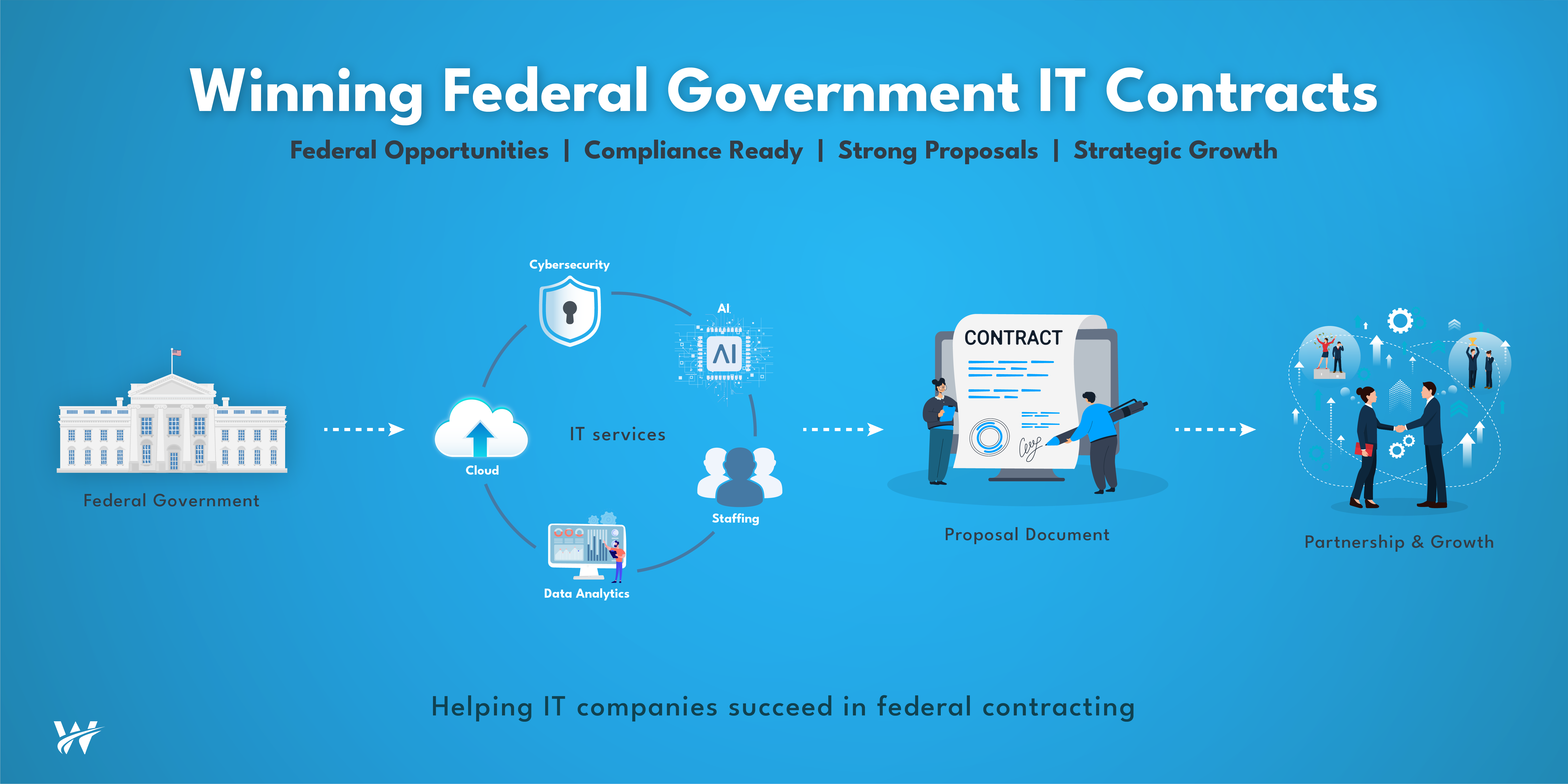
For IT service providers, federal government contracting offers long-term revenue opportunities, stable partnerships, and access to large-scale projects that can significantly accelerate business growth. From cloud migration and cybersecurity services to IT staffing and managed services, government agencies rely heavily on private-sector expertise to support mission-critical operations.
However, winning federal contracts is not simple. Government procurement processes involve strict compliance requirements, detailed proposal submissions, security standards, and intense competition among vendors. Many IT companies struggle to navigate the complexities of federal acquisition regulations, capture management, proposal development, and contract compliance.
Organizations that understand how the federal procurement process works and develop strong government contracting strategies can significantly improve their ability to secure opportunities and build long-term relationships with agencies.
This guide explores federal government contracting, common challenges IT companies face, and proven strategies to win more government opportunities while building sustainable growth in the public sector.
Understanding Federal Government Contracting
Federal government contracting is the process through which government agencies purchase products, solutions, and professional services from private companies. Federal agencies rely on contractors to support operations, implement technology initiatives, improve cybersecurity, modernize systems, and enhance citizen services.
Government contracts are issued through structured procurement processes designed to ensure fairness, transparency, and compliance with federal regulations.
Why Federal Agencies Need IT Contractors
Government agencies often require specialized expertise and scalable technology support that internal teams cannot fully provide. As digital transformation accelerates across federal departments, agencies increasingly partner with IT service providers for:
Federal IT spending continues to grow as agencies prioritize secure cloud environments, zero-trust cybersecurity frameworks, automation, and modernization initiatives.
Types of Federal IT Opportunities
IT companies can pursue a wide range of government contracting opportunities depending on their capabilities, certifications, and past performance.
Cloud Computing and Cloud Migration
Federal agencies are rapidly transitioning from legacy systems to secure cloud platforms such as Microsoft Azure, AWS, and Google Cloud. Contractors supporting cloud migration projects help agencies improve scalability, operational efficiency, security, and disaster recovery capabilities.
Cloud-related opportunities often include:
Organizations with expertise in cloud architecture and managed cloud services are highly valuable in the federal marketplace.
Cybersecurity Services
Cybersecurity remains one of the highest priorities for federal agencies. Government organizations face increasing cyber threats, ransomware attacks, and compliance challenges.
Federal agencies frequently seek contractors for:
Companies with cybersecurity certifications and federal compliance expertise often gain competitive advantages in procurement evaluations.
IT Staffing and Workforce Solutions
Many agencies require highly skilled IT professionals to support short-term and long-term projects. IT staffing services help agencies fill critical skill gaps quickly.
Federal staffing contracts may include:
IT staffing firms that maintain strong talent pipelines and security-cleared professionals can secure recurring government contracts.
AI and Data Analytics
Artificial intelligence and data analytics are transforming federal operations. Agencies increasingly use AI to improve decision-making, automate workflows, enhance security, and optimize citizen services.
Government agencies seek contractors with expertise in:
Organizations delivering innovative AI and analytics solutions are positioned for long-term growth in government contracting.
Managed IT Services
Managed services providers support agencies with ongoing IT operations, infrastructure management, network monitoring, and technical support.
Common managed service contracts include:
Managed IT services create recurring revenue opportunities and long-term agency relationships.
Key Challenges for IT Companies in Federal Contracting
While federal contracting offers tremendous opportunities, IT companies often face several challenges when entering the government marketplace.
Federal procurement processes involve detailed documentation, strict timelines, multiple evaluation phases, and regulatory compliance.
Agencies issue solicitations through various procurement methods such as:
Each solicitation contains technical requirements, pricing structures, compliance expectations, and evaluation criteria that contractors must carefully address.
Failure to follow proposal instructions precisely can result in immediate disqualification.
Federal contracts require adherence to extensive regulations and security standards. Compliance requirements vary depending on agency type, contract scope, and sensitivity of information involved.
Common compliance frameworks include:
IT companies must establish robust security controls, documentation processes, and compliance programs to remain competitive.
Federal opportunities attract significant competition from established government contractors, large system integrators, and specialized niche providers.
Competing effectively requires:
New entrants often struggle to compete against companies with decades of government experience.
Proposal development is one of the most challenging aspects of federal contracting.
Winning proposals require detailed responses covering:
Proposal teams must align responses precisely with solicitation requirements while clearly demonstrating value to the agency.
Strategies to Win More Federal Contracts
Successful government contractors combine technical expertise with strong capture management, strategic positioning, and proposal development capabilities.
Build Strong Past Performance
Past performance is one of the most important evaluation factors in federal contracting.
Agencies prefer vendors with proven success delivering similar projects on time and within budget.
IT companies can strengthen past performance by:
Even smaller projects can help establish credibility and demonstrate capability.
Develop Strategic Partnerships
Teaming agreements and subcontracting relationships help companies expand capabilities and improve competitiveness.
Strategic partnerships provide access to:
Small businesses often partner with larger prime contractors to gain government experience before pursuing prime contracts independently.
Strong partnerships also improve proposal strength by combining complementary capabilities.
Understand Agency Needs
Successful contractors invest time researching agency missions, priorities, budgets, and procurement forecasts.
Understanding agency objectives allows companies to position solutions more effectively.
Key research areas include:
Organizations that align solutions with agency priorities improve their probability of winning contracts.
Strengthen Proposal Quality
Proposal quality directly impacts win probability.
High-performing proposal teams focus on:
Effective proposals clearly explain how the contractor will solve agency challenges while minimizing risk and maximizing value.
Professional proposal management processes significantly improve success rates.
Invest in Capture Management
Capture management involves identifying opportunities early, building relationships, understanding customer pain points, and shaping opportunities before solicitations are released.
Strong capture strategies help companies:
Companies that engage early in the procurement lifecycle often outperform reactive competitors.
Obtain Relevant Certifications
Certifications help build credibility and satisfy federal contracting requirements.
Important certifications may include:
Technical certifications for Microsoft, AWS, cybersecurity, and cloud technologies also strengthen contractor positioning.
Build a Dedicated Federal Team
Government contracting requires specialized expertise. Successful contractors often create dedicated federal teams focused on:
Dedicated teams improve operational efficiency and long-term contract success.
Importance of Compliance in Federal Contracting
Compliance plays a critical role throughout the federal contracting lifecycle.
Government agencies expect contractors to maintain strong governance, data security, and operational controls.
Cybersecurity Compliance
Federal agencies prioritize cybersecurity due to increasing threats targeting sensitive government systems and data.
Contractors handling federal information often must comply with:
Non-compliance can disqualify vendors or result in contract loss.
Data Protection and Privacy
Agencies require contractors to implement strong data protection measures to safeguard sensitive information.
Important practices include:
Strong cybersecurity maturity improves trust and competitiveness.
Benefits of Federal Government Contracting
Federal contracting offers several long-term advantages for IT companies seeking sustainable growth.
Long-Term Revenue Opportunities
Government contracts often span multiple years, creating predictable recurring revenue streams.
Long-term contracts improve financial stability and support scalable business growth.
Stable Partnerships
Federal agencies frequently continue working with reliable contractors who consistently deliver strong performance.
Strong agency relationships can lead to contract renewals, task orders, and additional opportunities.
Large-Scale Project Exposure
Government projects often involve enterprise-level infrastructure, cybersecurity, and modernization initiatives.
These projects help companies expand technical capabilities and strengthen market credibility.
Business Growth Potential
Winning federal contracts enhances reputation and opens opportunities in both public and private sectors.
Government experience demonstrates operational maturity, compliance capability, and technical expertise.
Emerging Trends in Federal IT Contracting
The federal marketplace continues evolving as agencies adopt new technologies and modernization initiatives.
Increased Cloud Adoption
Federal agencies continue accelerating cloud adoption strategies to improve flexibility and reduce infrastructure costs.
Cloud migration opportunities are expected to remain a major growth area for IT contractors.
AI and Automation Expansion
Artificial intelligence and automation are becoming increasingly important across federal operations.
Agencies seek solutions that improve operational efficiency, analytics, and citizen services.
Zero-Trust Cybersecurity
Cybersecurity modernization remains a top priority.
Zero-trust architecture, endpoint protection, and threat intelligence services continue generating significant contracting opportunities.
Digital Transformation Initiatives
Federal agencies are modernizing outdated systems to improve service delivery and operational efficiency.
Digital transformation projects create opportunities for software development, data integration, automation, and managed services providers.
How Small and Mid-Sized IT Companies Can Compete
Smaller IT firms can successfully compete in federal contracting by focusing on specialization and agility.
Focus on Niche Expertise
Specialized capabilities often outperform broad service offerings.
Companies with expertise in:
Leverage Set-Aside Programs
Federal agencies allocate contracts specifically for small businesses and disadvantaged business categories.
These programs reduce competition and improve accessibility for smaller firms.
Start as a Subcontractor
Subcontracting provides valuable experience, past performance, and agency exposure.
Many successful federal contractors begin by supporting larger prime vendors before pursuing direct awards.
Building a Long-Term Federal Contracting Strategy
Winning one contract is not enough for sustainable growth.
Organizations should develop long-term federal strategies focused on:
Companies that consistently invest in federal growth initiatives improve long-term competitiveness and win rates.
Conclusion
Federal government contracting offers substantial growth opportunities for IT companies specializing in cloud computing, cybersecurity, AI, managed services, IT staffing, and digital transformation solutions.
As federal agencies continue investing in modernization initiatives, contractors with strong technical expertise, compliance capabilities, and proposal development strategies will remain in high demand.
Although federal procurement processes can be complex, companies that build strong past performance, develop strategic partnerships, understand agency priorities, and strengthen proposal quality can significantly improve their ability to win contracts.
Success in government contracting requires patience, planning, compliance readiness, and long-term commitment. Organizations prepared to navigate the federal marketplace strategically can achieve stable revenue growth, stronger market positioning, and long-term business expansion.
Call to Action
Looking to expand your federal government contracting opportunities?
Our IT consulting and proposal support experts help businesses strengthen compliance, improve capture strategies, develop winning proposals, and position for long-term success in the federal marketplace.
Contact us today to learn how we can help your organization secure more government IT contracts.