
Published: 20 March 2026, 09:00 PM
Introduction
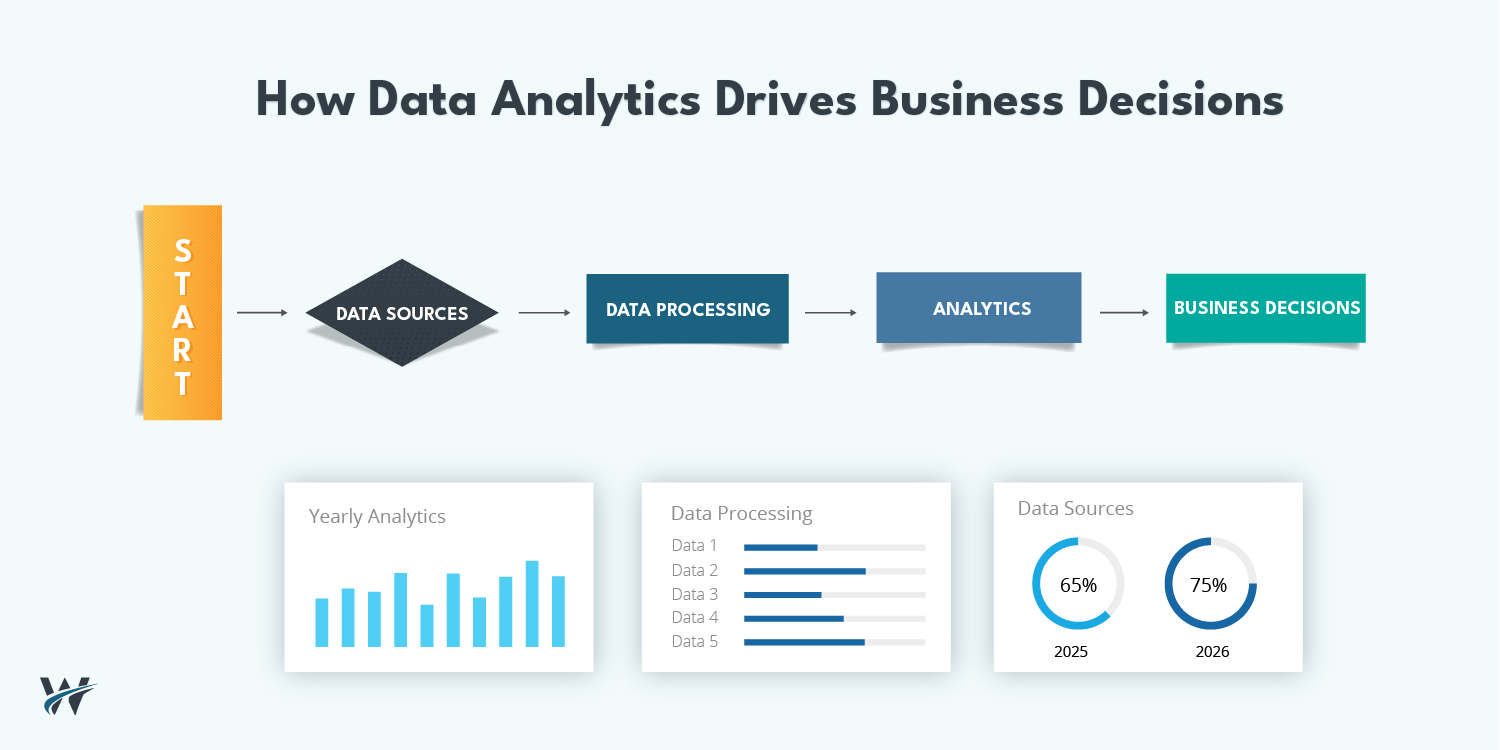
Data has become one of the most valuable assets for modern organizations. Businesses today generate massive volumes of data from customer interactions, enterprise applications, cloud platforms, IoT devices, and digital ecosystems. Every transaction, click, and engagement creates a new layer of information that holds potential value.
However, raw data alone does not create competitive advantage. Without proper analysis, structure, and interpretation, data remains underutilized and often overwhelming. Organizations that fail to leverage their data effectively risk falling behind competitors who are using insights to drive smarter strategies.
This is where data analytics and business intelligence come into play. These technologies and practices allow businesses to transform complex datasets into meaningful insights that guide decision making, optimize operations, and improve customer experiences.
In today’s data driven economy, organizations that embrace analytics are not just reacting to change. They are anticipating it, shaping it, and using it to their advantage.
What Is Business Intelligence
Business intelligence refers to the technologies, processes, and frameworks used to collect, analyze, and present business data in a meaningful way. It enables organizations to monitor performance, identify trends, and make informed decisions based on real time and historical data.
BI platforms consolidate data from multiple sources into centralized dashboards and reports. These tools simplify complex datasets through visualizations such as charts, graphs, and interactive dashboards, making it easier for decision makers to interpret information quickly.
Modern BI tools, such as Microsoft Power BI, allow organizations to create dynamic and real time dashboards that provide a holistic view of business performance. Users can drill down into specific metrics, explore trends, and generate insights without requiring advanced technical expertise.
Key capabilities of business intelligence include:
Business intelligence empowers organizations to move from intuition based decisions to data driven strategies.
Why Data Analytics Is Critical for Modern Businesses
In a highly competitive and fast evolving business environment, relying on assumptions or outdated information can lead to poor decisions. Data analytics provides organizations with the ability to make accurate, timely, and strategic decisions based on evidence.
Improved Decision Making
Data analytics enables leaders to base decisions on factual insights rather than guesswork. With access to accurate data, organizations can evaluate performance, identify inefficiencies, and make informed choices that align with business goals.
Better Customer Insights
Understanding customer behavior is essential for delivering personalized experiences. Analytics helps businesses analyze customer preferences, buying patterns, and engagement trends, allowing them to tailor products and services more effectively.
Operational Efficiency Improvements
Analytics identifies bottlenecks and inefficiencies in business processes. By analyzing operational data, organizations can optimize workflows, reduce costs, and improve productivity.
Market Trend Analysis
Data analytics allows businesses to track market trends and industry changes. This helps organizations stay ahead of competitors and adapt strategies based on emerging opportunities.
Risk Management
Predictive analytics helps identify potential risks before they impact the business. Organizations can use data to detect anomalies, prevent fraud, and ensure compliance with regulatory requirements.
Competitive Advantage
Companies that leverage data effectively gain a significant edge. They can respond faster to changes, innovate more efficiently, and make proactive decisions that drive growth.
Types of Data Analytics
Data analytics is not a single process but a spectrum of techniques that serve different purposes. Understanding these types helps organizations apply the right approach for their business needs.
Descriptive Analytics
Descriptive analytics focuses on analyzing historical data to understand what has happened in the past. It answers questions such as:
This type of analytics provides a foundation for understanding business performance and is often presented through dashboards and reports.
Diagnostic Analytics
Diagnostic analytics goes a step further by identifying the reasons behind past outcomes. It answers questions like:
By uncovering root causes, organizations can take corrective actions and improve future performance.
Predictive Analytics
Predictive analytics uses statistical models, machine learning, and historical data to forecast future outcomes. It helps organizations anticipate trends and make proactive decisions.
Examples include:
Predictive analytics enables businesses to prepare for the future rather than react to it.
Prescriptive Analytics
Prescriptive analytics provides recommendations for actions based on data insights. It answers questions such as:
This advanced form of analytics combines data, algorithms, and business rules to guide decision making.
Building a Data Driven Culture
Implementing analytics tools alone is not enough. To truly benefit from data, organizations must build a data driven culture where insights guide everyday decisions.
Ensure Data Accuracy and Governance
Reliable insights depend on high quality data. Organizations must establish strong data governance frameworks to ensure data consistency, accuracy, and security. This includes defining data standards, ownership, and compliance policies.
Train Employees to Use Analytics Tools
Employees across departments should be equipped with the skills to use analytics platforms effectively. Training programs help teams understand how to interpret data and apply insights in their roles.
Integrate Analytics into Decision Making Processes
Analytics should be embedded into business workflows. Decision makers should rely on data insights when planning strategies, evaluating performance, and solving problems.
Encourage Data Driven Thinking
Organizations should promote a culture where decisions are supported by evidence. Leaders play a critical role in encouraging teams to use data rather than intuition alone.
Break Down Data Silos
Data often exists in isolated systems across departments. Integrating these data sources provides a unified view of the organization and improves the accuracy of insights.
Leverage Real Time Data
Access to real time data allows organizations to respond quickly to changes. This is particularly important in industries where timing is critical, such as retail, finance, and logistics.
Key Components of a Successful Data Analytics Strategy
To maximize the value of data analytics, organizations need a well defined strategy that aligns with business objectives.
Data Collection and Integration
Organizations must gather data from multiple sources, including CRM systems, ERP platforms, websites, and third party applications. Integrating this data ensures a comprehensive view of operations.
Data Storage and Management
Efficient data storage solutions such as data warehouses and data lakes enable organizations to store and manage large volumes of data securely and efficiently.
Data Processing and Transformation
Raw data must be cleaned, structured, and transformed into a usable format. This step ensures that analytics tools can generate accurate insights.
Data Visualization
Visualization tools simplify complex data and make it accessible to non technical users. Dashboards and reports help stakeholders understand key metrics at a glance.
Advanced Analytics and AI
Incorporating machine learning and artificial intelligence enhances analytics capabilities. These technologies enable predictive and prescriptive insights that drive innovation.
The Role of Business Intelligence Tools
Business intelligence tools play a critical role in enabling data analytics. They provide the interface through which users interact with data and generate insights.
Features of Modern BI Tools
These tools empower business users to explore data independently without relying heavily on IT teams.
Benefits of Using BI Tools
By providing a centralized view of data, BI tools ensure that everyone in the organization works with consistent and accurate information.
Challenges in Data Analytics and Business Intelligence
While the benefits of analytics are significant, organizations often face challenges in implementation.
Data Quality Issues
Inaccurate or incomplete data can lead to misleading insights. Ensuring data quality is critical for reliable analytics.
Integration Complexity
Combining data from multiple systems can be complex and time consuming. Organizations need robust integration solutions to overcome this challenge.
Skill Gaps
Many organizations lack the expertise required to implement and manage analytics solutions. Investing in training and hiring skilled professionals is essential.
Data Security and Privacy
Protecting sensitive data is a top priority. Organizations must implement strong security measures and comply with regulations.
Resistance to Change
Adopting a data driven approach requires a cultural shift. Employees may resist new tools and processes, making change management crucial.
How Wexus Win Works Supports Data Analytics
Wexus Win Works helps organizations unlock the full potential of their data by delivering end to end analytics solutions tailored to business needs.
Business Intelligence Platform Implementation
Wexus Win Works implements robust BI platforms that provide real time insights and enable data driven decision making across the organization.
Data Architecture Design
A strong data foundation is essential for analytics success. Wexus Win Works designs scalable and secure data architectures that support current and future business needs.
Power BI Dashboard Development
Custom dashboards are developed to provide clear and actionable insights. These dashboards enable organizations to monitor performance and make informed decisions quickly.
Data Integration and Automation
Wexus Win Works integrates data from multiple sources and automates data workflows, ensuring accurate and timely insights.
Analytics Consulting
Expert consultants work closely with organizations to define analytics strategies, identify opportunities, and implement best practices.
By combining technology expertise with industry knowledge, Wexus Win Works helps businesses transform data into a strategic asset.
The Future of Data Analytics and Business Intelligence
The field of data analytics continues to evolve rapidly, driven by advancements in technology.
Artificial Intelligence and Machine Learning
AI powered analytics is becoming more prevalent, enabling organizations to automate insights and improve accuracy.
Real Time Analytics
Businesses are increasingly relying on real time data to make immediate decisions and respond to market changes.
Data Democratization
Analytics tools are becoming more user friendly, allowing non technical users to access and analyze data independently.
Cloud Based Analytics
Cloud platforms provide scalability, flexibility, and cost efficiency, making analytics more accessible to organizations of all sizes.
Data Driven Innovation
Organizations are using analytics to drive innovation, develop new products, and create personalized customer experiences.
Conclusion
Data analytics and business intelligence have become essential components of modern business strategy. They enable organizations to transform raw data into actionable insights that drive smarter decisions, improve efficiency, and enhance customer experiences.
Businesses that embrace analytics gain a competitive advantage by responding quickly to changes, identifying new opportunities, and optimizing operations. However, success requires more than just technology. It demands a strong data culture, effective governance, and a clear strategy.
As the volume and complexity of data continue to grow, organizations that invest in analytics will be better positioned to thrive in a data driven world.
Call to Action
Contact Wexus Win Works to build a powerful data analytics and business intelligence strategy that turns your data into measurable business success.