
Published: 29 April 2026, 09:00 PM
Introduction
In today’s fast evolving digital landscape, businesses are rapidly adopting cloud computing, remote work models, and data driven technologies. While this transformation brings efficiency and innovation, it also increases exposure to cyber threats. From sophisticated ransomware attacks to targeted phishing campaigns, organizations of all sizes are at risk.
Cybersecurity is no longer optional. It is a core component of modern IT Services and IT Consulting strategies. Whether a company operates on Microsoft 365, manages workloads on Microsoft Azure, or leverages platforms like SharePoint, Dynamics 365, and Power BI, securing digital assets is essential.
A single security breach can lead to financial losses, reputational damage, legal penalties, and operational downtime. Therefore, implementing strong cybersecurity best practices is critical for protecting sensitive data, ensuring business continuity, and maintaining customer trust.
This blog explores cybersecurity fundamentals, its importance, common threats, and the best practices every business must follow to stay secure in a digital first world.
What Is Cybersecurity
Cybersecurity refers to the practice of protecting systems, networks, applications, and data from cyber threats, unauthorized access, and malicious attacks. It involves a combination of technologies, processes, and policies designed to safeguard digital assets.
Cybersecurity spans multiple layers, including:
Modern cybersecurity strategies often integrate with platforms like Microsoft Azure, leveraging built in security tools such as Azure Security Center, Microsoft Defender, and identity solutions like Azure Active Directory.
In the era of AI and Machine Learning, cybersecurity systems are becoming more intelligent, enabling proactive threat detection and automated response mechanisms.
Why Cybersecurity Matters for Businesses
Cybersecurity is a business enabler, not just a technical requirement. Organizations that invest in robust security frameworks are better positioned to grow securely and sustainably.
Businesses handle vast amounts of sensitive data, including customer information, financial records, intellectual property, and employee details. Poor database management or weak security controls can lead to data breaches.
Strong cybersecurity ensures that data stored in systems such as SQL databases, SharePoint, or cloud platforms remains protected from unauthorized access.
Cyberattacks can result in direct financial losses through fraud, ransom payments, or system downtime. Indirect costs include recovery expenses, legal fees, and loss of business opportunities.
Investing in cybersecurity reduces the likelihood of such incidents and minimizes financial risks.
Organizations must comply with data protection regulations and industry standards. Failure to meet compliance requirements can lead to heavy penalties.
Cybersecurity frameworks help businesses align with compliance standards by implementing proper data protection, monitoring, and reporting mechanisms.
Customers expect businesses to protect their personal and financial information. A strong cybersecurity posture enhances trust and credibility.
Companies that prioritize security are more likely to retain customers and build long term relationships.
Cyber incidents can disrupt operations. Ransomware attacks, for example, can lock critical systems and halt business activities.
A well defined cybersecurity strategy ensures that businesses can recover quickly and continue operations with minimal disruption.
Top Cybersecurity Best Practices
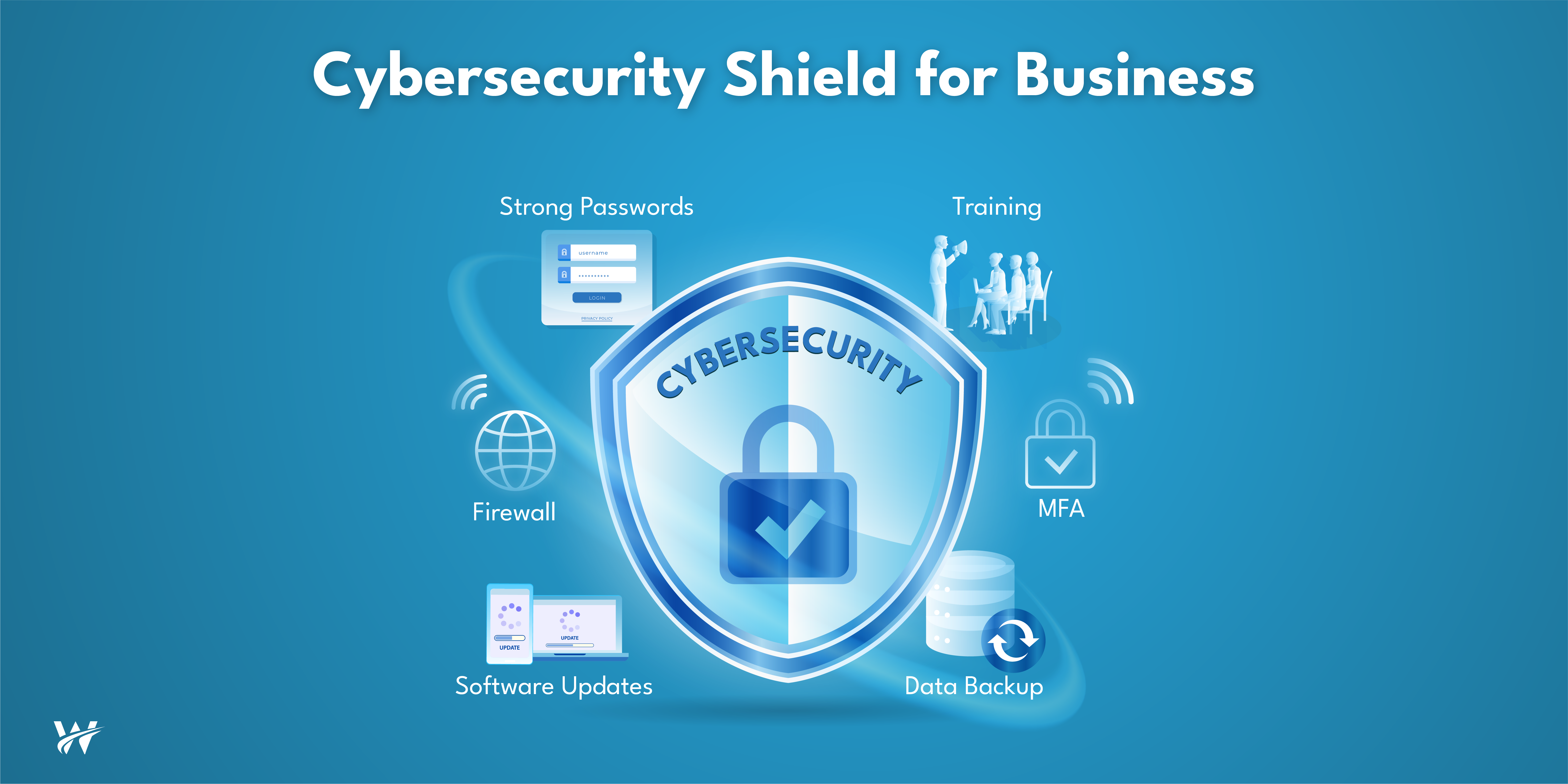
To effectively protect digital assets, businesses must adopt a proactive and comprehensive approach. Below are the most important cybersecurity best practices every organization should implement.
Weak passwords are one of the most common entry points for cybercriminals.
Businesses must enforce strong password policies that require:
Using password managers can help employees securely store and manage credentials.
Multi Factor Authentication adds an additional layer of security beyond passwords. Even if a password is compromised, MFA prevents unauthorized access.
MFA methods include:
Platforms like Microsoft 365 and Azure Active Directory offer built in MFA capabilities, making it easier for businesses to secure user identities.
Outdated software often contains vulnerabilities that hackers exploit. Regular updates and patch management are critical for closing security gaps.
Businesses should:
This is especially important for systems running on Microsoft technologies, including Dynamics 365 and Power Apps.
Human error is one of the leading causes of cybersecurity incidents. Employees must be trained to recognize and respond to cyber threats.
Training programs should cover:
Regular awareness campaigns and simulated phishing exercises can significantly reduce risk.
Data loss can occur due to cyberattacks, hardware failures, or accidental deletion. Regular backups ensure that businesses can recover critical data quickly.
Best practices include:
Cloud platforms like Azure provide reliable backup and recovery solutions for business continuity.
Network security is essential for protecting data in transit and preventing unauthorized access.
Key measures include:
Encryption should also be used to protect sensitive data transmitted across networks.
With remote work and mobile devices, endpoints have become a major security concern. Each device connected to the network represents a potential entry point.
Businesses should:
Microsoft Defender for Endpoint is a powerful solution for managing endpoint security in enterprise environments.
Controlling who has access to what is crucial for preventing unauthorized activities.
Best practices include:
Azure Active Directory plays a key role in managing identities and access across cloud and hybrid environments.
As businesses migrate to the cloud, securing cloud environments becomes critical. Misconfigured cloud settings can expose sensitive data.
Cloud security best practices include:
Organizations using Azure, AWS, or Google Cloud must implement robust cloud security strategies.
Cybersecurity is not a one time effort. Continuous monitoring helps detect threats in real time and respond quickly.
Tools and strategies include:
Integrating AI and Machine Learning enhances the ability to identify patterns and detect anomalies.
Common Cyber Threats Businesses Face
Understanding common cyber threats helps organizations prepare and defend against them effectively.
Phishing involves fraudulent emails or messages designed to trick users into revealing sensitive information such as passwords or financial details.
These attacks often appear legitimate and target employees through email, social media, or messaging platforms.
Malware is malicious software designed to damage systems, steal data, or disrupt operations. It includes viruses, worms, and spyware.
Malware infections often occur through downloads, email attachments, or compromised websites.
Ransomware is a type of malware that encrypts data and demands payment for its release. It can severely disrupt business operations.
Organizations without proper backups are particularly vulnerable to ransomware attacks.
Insider threats originate from employees, contractors, or partners who misuse access to systems and data.
These threats can be intentional or accidental, making them difficult to detect.
DDoS attacks overwhelm systems with traffic, causing service disruptions and downtime.
Businesses that rely on online services must implement measures to mitigate such attacks.
Zero day vulnerabilities are unknown security flaws that hackers exploit before they are patched.
Continuous monitoring and advanced threat detection are essential for mitigating such risks.
The Role of AI and Cloud in Cybersecurity
Modern cybersecurity is increasingly powered by Artificial Intelligence and cloud technologies. AI driven systems can analyze large volumes of data, detect anomalies, and respond to threats faster than traditional methods.
Cloud platforms like Microsoft Azure provide scalable security solutions, including:
Businesses leveraging AI, Machine Learning, and cloud computing gain a significant advantage in defending against evolving cyber threats.
Building a Cybersecurity Strategy
A strong cybersecurity strategy requires a holistic approach that aligns with business goals and IT infrastructure.
Key steps include:
Partnering with IT Consulting and Managed Services providers can help businesses design and implement effective cybersecurity strategies.
Conclusion
Cybersecurity is an ongoing journey that requires continuous attention, investment, and improvement. As cyber threats become more sophisticated, businesses must stay proactive and adopt advanced security measures.
From implementing strong password policies and Multi Factor Authentication to securing cloud infrastructure and training employees, every step contributes to a stronger security posture.
Organizations that prioritize cybersecurity not only protect their data and systems but also build trust, ensure compliance, and enable sustainable growth in a digital world.
Call to Action
Is your business prepared to handle modern cyber threats?
Partner with expert IT Services and IT Consulting professionals to strengthen your cybersecurity strategy. Whether you need support with Microsoft 365 security, Azure cloud protection, cybersecurity audits, or managed services, the right approach can safeguard your business from evolving risks.
Start securing your digital future today with a comprehensive cybersecurity solution tailored to your business needs.