
Published: 27 March 2026, 08:00 PM
Introduction
Cloud computing has transformed how businesses operate, enabling scalability, flexibility, and faster innovation. Organizations today rely heavily on cloud platforms to run applications, store data, and support digital transformation initiatives. However, while the cloud offers numerous advantages, it also introduces a major challenge: controlling costs.
Many organizations experience unexpected spikes in cloud spending due to lack of visibility, inefficient resource allocation, and poor management practices. Without a clear cost optimization strategy, cloud expenses can quickly spiral out of control, impacting overall profitability.
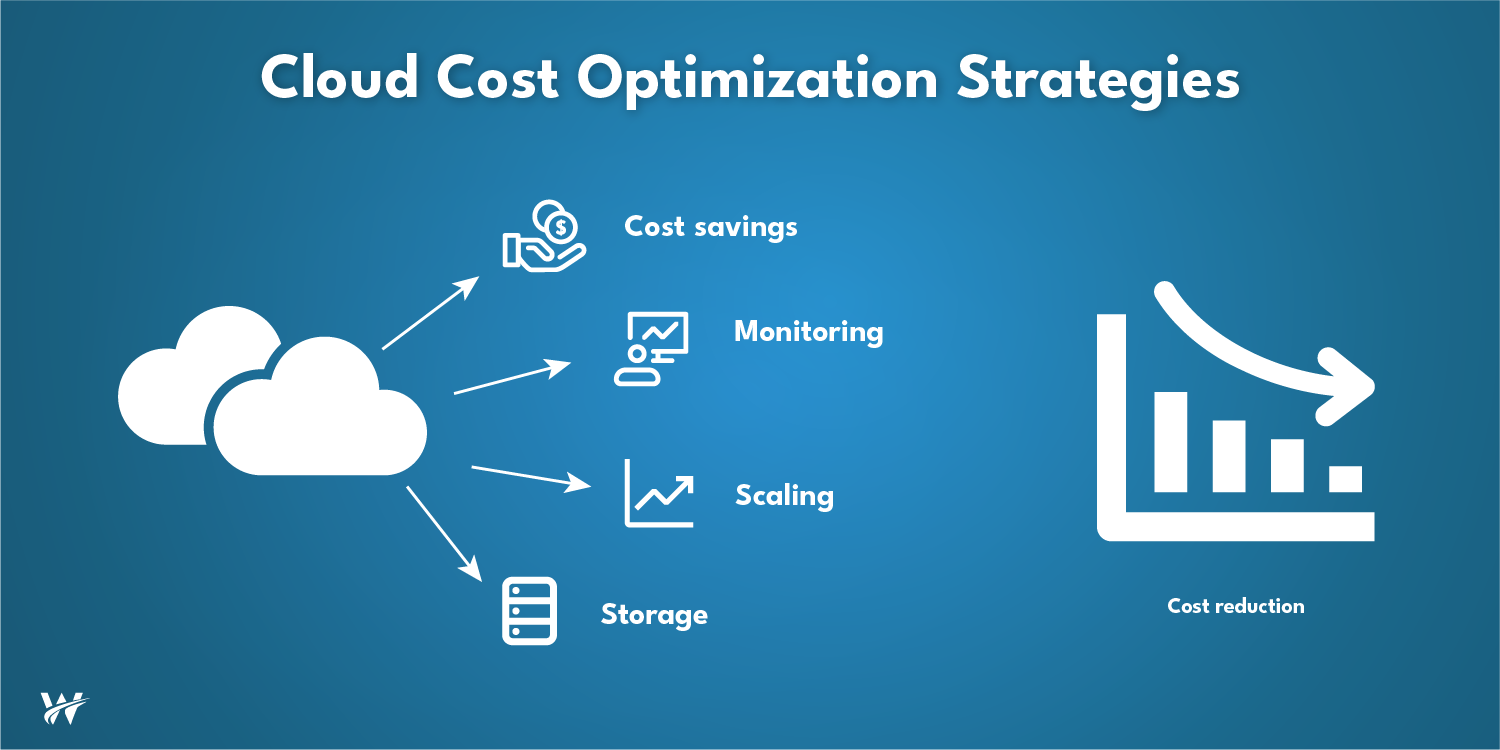
Cloud cost optimization is the process of reducing unnecessary cloud spending while maintaining or even improving system performance, reliability, and scalability. It ensures that businesses only pay for what they truly need and use.
In this blog, we will explore the key reasons behind rising cloud costs, effective strategies to optimize spending, and how businesses can achieve maximum return on investment from their cloud infrastructure.
Why Cloud Costs Increase
Understanding why cloud costs increase is the first step toward optimization. Many businesses unintentionally overspend due to common mistakes and inefficiencies.
Organizations often allocate more computing power, memory, or storage than required. This is usually done to avoid performance issues, but it results in paying for unused capacity.
Virtual machines, storage volumes, and other resources are frequently left running even when not in use. These idle resources continue to generate costs without delivering any value.
Data is often stored without a lifecycle strategy. Businesses may use expensive storage tiers for data that is rarely accessed, leading to unnecessary expenses.
Without proper tracking tools, organizations cannot identify where their money is being spent. This lack of visibility makes it difficult to detect inefficiencies.
Applications that are not designed for the cloud may consume more resources than necessary. Legacy systems running in the cloud without optimization often lead to higher costs.
When multiple teams use cloud resources without guidelines or budget controls, spending can quickly become unpredictable.
These factors collectively contribute to rising cloud bills and reduced cost efficiency.
Strategies for Cloud Cost Optimization
To effectively manage cloud expenses, businesses must adopt a structured approach that combines technology, processes, and governance.
Right sizing involves matching cloud resources to actual workload requirements. Instead of overallocating resources, businesses should continuously analyze usage patterns and adjust configurations accordingly.
Benefits include:
Right sizing should be an ongoing process rather than a one-time activity.
Auto scaling ensures that resources are automatically increased or decreased based on demand. During peak usage, systems scale up to maintain performance. During low demand, they scale down to reduce costs.
This approach helps:
Automated scaling is particularly useful for applications with variable workloads.
Cloud cost monitoring tools provide real-time insights into usage and spending. These tools help businesses track expenses, identify anomalies, and uncover inefficiencies.
Key capabilities include:
With proper monitoring, organizations can make data-driven decisions and prevent overspending.
Not all data needs to be stored in high-cost storage tiers. Businesses should classify data based on usage frequency and importance.
Best practices include:
Storage optimization significantly reduces long-term costs.
Cloud providers offer discounts for long-term commitments through reserved instances or savings plans. By committing to a certain level of usage, businesses can achieve substantial cost savings.
Advantages include:
This strategy works best for stable and predictable workloads.
Spot instances allow businesses to use unused cloud capacity at lower costs. While these resources can be interrupted, they are ideal for non-critical or flexible workloads.
Use cases include:
This approach can lead to significant cost reductions.
Regular audits help identify unused or underutilized resources such as:
Removing these resources ensures that businesses are not paying for services they do not use.
FinOps, or Cloud Financial Operations, is a framework that brings financial accountability to cloud spending. It encourages collaboration between finance, IT, and business teams.
Key principles include:
FinOps helps organizations maintain control over cloud expenses.
Modern cloud-native architectures are designed for efficiency and scalability. Businesses should consider:
These approaches reduce resource consumption and improve cost efficiency.
Organizations using multiple cloud providers must optimize workloads across platforms. Choosing the right provider for each workload can significantly reduce costs.
A hybrid approach also allows businesses to balance on-premise and cloud resources effectively.
Benefits of Cloud Cost Optimization
Implementing cloud cost optimization strategies provides several advantages beyond just cost savings.
Businesses can eliminate unnecessary spending and allocate budgets more effectively.
Optimized resource usage ensures that every component delivers maximum value.
Predictable cloud expenses make budgeting and forecasting easier.
Optimization often leads to improved system performance and reliability.
Organizations achieve better returns from their cloud investments.
Clear policies and monitoring improve control over cloud usage.
Best Practices for Continuous Optimization
Cloud cost optimization is not a one-time activity. It requires continuous effort and improvement.
Conduct frequent reviews of cloud usage and spending to identify inefficiencies.
Define spending limits and receive alerts when thresholds are exceeded.
Ensure that employees understand cost optimization practices and tools.
Use tagging to track costs by department, project, or application.
Automation reduces manual effort and ensures consistent optimization.
How Wexus Win Works Helps
Wexus Win Works provides comprehensive cloud cost optimization services designed to help businesses reduce expenses while maintaining performance.
Detailed analysis of cloud environments to identify cost inefficiencies.
Customized strategies tailored to business needs and workloads.
Improving cloud architecture for better performance and cost efficiency.
Real-time monitoring to ensure ongoing cost control.
Balancing cost savings with optimal system performance.
With a structured approach and expert guidance, Wexus Win Works helps organizations achieve sustainable cloud cost management.
Real-World Example
Consider a company running multiple applications on the cloud with fixed resource allocation. Despite low usage during non-peak hours, resources remain fully provisioned.
After implementing optimization strategies:
As a result:
This demonstrates how simple changes can lead to substantial savings.
Common Mistakes to Avoid
While optimizing cloud costs, businesses should avoid these mistakes:
Avoiding these pitfalls ensures long-term success.
Future of Cloud Cost Optimization
As cloud adoption continues to grow, cost optimization will become even more critical. Emerging trends include:
Businesses that adopt these innovations will gain a competitive advantage.
Conclusion
Cloud computing is essential for modern business success, but managing costs effectively is equally important. Without proper optimization, cloud expenses can quickly escalate and impact profitability.
Cloud cost optimization enables organizations to reduce unnecessary spending while maintaining high performance and reliability. By implementing the right strategies, tools, and governance practices, businesses can achieve greater efficiency and maximize the value of their cloud investments.
Call to Action
Ready to reduce your cloud costs and improve efficiency?
Contact Wexus Win Works today to optimize your cloud environment, enhance performance, and achieve better ROI from your cloud investments.