
Published: 06 May 2026, 09:00PM
Introduction
In today’s fast-moving digital landscape, businesses need technology solutions that are flexible, scalable, and cost-effective. Traditional IT infrastructure often creates challenges such as high maintenance costs, limited scalability, and complex system management. As organizations grow, managing on-premise servers, storage systems, and software applications can become increasingly difficult.
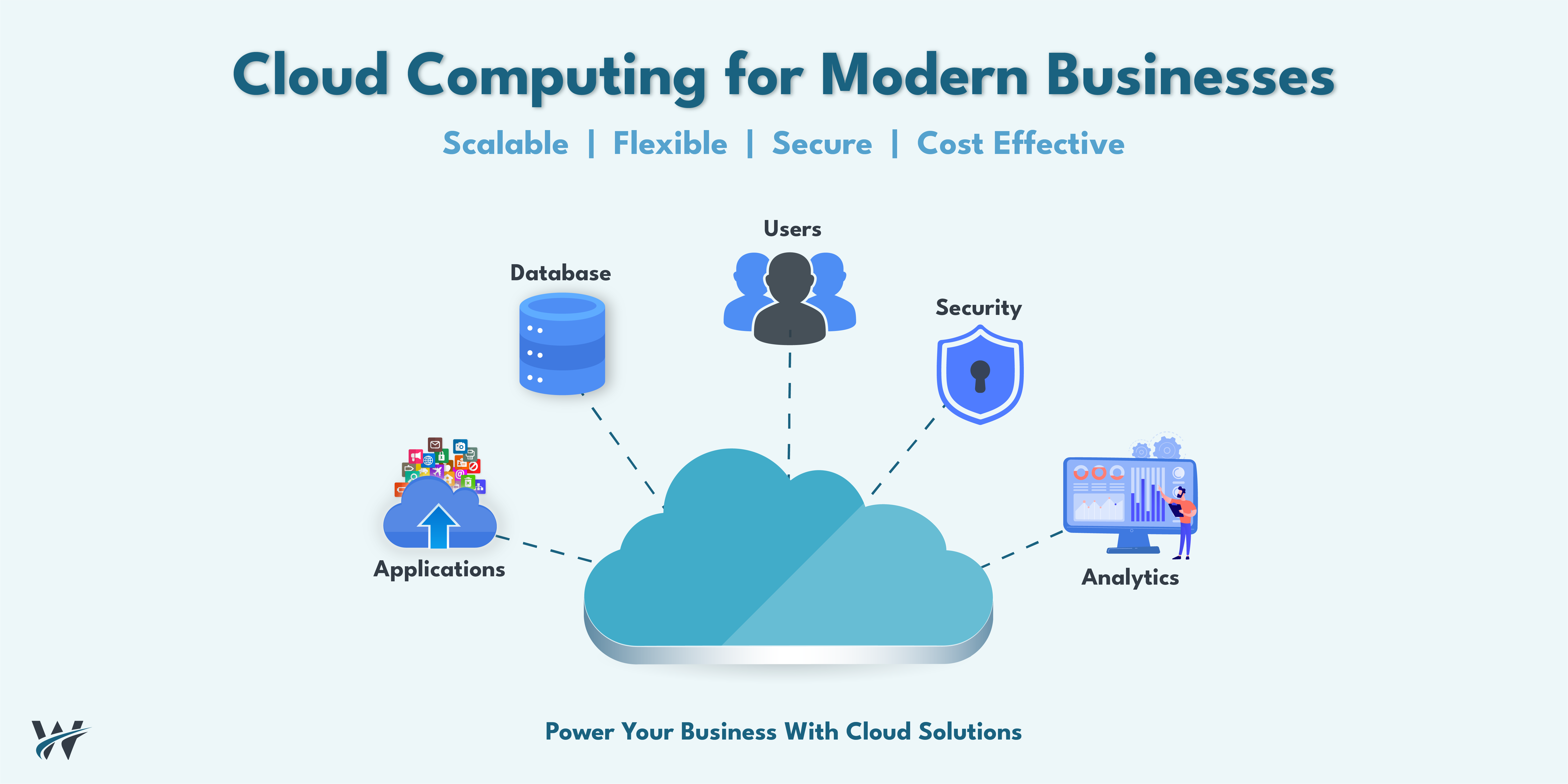
This is where cloud computing services play a critical role. Cloud computing enables businesses to access computing resources over the internet instead of relying solely on physical infrastructure. From startups to large enterprises, companies across industries are leveraging cloud technology to improve operational efficiency, enhance collaboration, and accelerate digital transformation.
Whether it is data storage, application hosting, cybersecurity, or disaster recovery, cloud computing offers businesses the ability to scale operations quickly while reducing infrastructure costs. Cloud platforms such as Microsoft Azure, AWS, and Google Cloud are transforming the way organizations manage IT services and business operations.
In this blog, we will explore what cloud computing is, its major benefits, different cloud service models, deployment types, use cases, security considerations, and how cloud computing services help businesses achieve long-term growth and operational excellence.
What Is Cloud Computing?
Cloud computing refers to the delivery of computing services over the internet. Instead of owning and maintaining physical hardware and servers, businesses can access technology resources on demand through cloud service providers.
Cloud computing services typically include:
These services are hosted in secure data centers and delivered through internet-based platforms, allowing businesses to use resources whenever needed.
Cloud computing eliminates the need for organizations to invest heavily in physical IT infrastructure. Businesses only pay for the resources they use, making cloud services highly cost-efficient and scalable.
Why Cloud Computing Is Important for Modern Businesses
Technology is now central to every business operation. Organizations rely on digital tools for communication, project management, customer service, sales, data analysis, and cybersecurity.
Traditional infrastructure often struggles to support modern business demands because it can be:
Cloud computing solves these challenges by providing businesses with on-demand access to scalable technology resources.
Cloud services help organizations:
As businesses continue adopting AI, machine learning, automation, and advanced analytics, cloud computing becomes even more essential for long-term growth.
Key Benefits of Cloud Computing Services
One of the biggest advantages of cloud computing is scalability.
Businesses can easily increase or decrease computing resources based on demand. This flexibility allows organizations to handle traffic spikes, seasonal workloads, and business growth without investing in additional hardware.
For example:
Cloud scalability ensures optimal performance without overpaying for unused resources.
Traditional IT infrastructure requires significant upfront investment in servers, networking equipment, software licenses, and maintenance.
Cloud computing reduces these costs through a pay-as-you-go model.
Businesses save money by avoiding:
Cloud providers manage infrastructure maintenance, allowing organizations to focus on core business activities.
This makes cloud computing especially beneficial for startups and small businesses with limited IT budgets.
Cloud computing enables employees to access systems, applications, and data from anywhere with an internet connection.
This flexibility supports:
Teams can collaborate in real time using cloud-based applications such as Microsoft 365, SharePoint, and cloud communication platforms.
Remote accessibility improves business continuity and employee productivity.
Security is a major concern for businesses handling sensitive information.
Leading cloud providers offer advanced cybersecurity measures, including:
Cloud computing also improves disaster recovery capabilities by storing backups across multiple secure locations.
Many cloud providers comply with industry regulations and security standards, helping businesses maintain compliance requirements.
Unexpected disruptions such as cyberattacks, hardware failures, or natural disasters can severely impact business operations.
Cloud computing supports disaster recovery by enabling:
Businesses can restore operations quickly and minimize downtime.
Cloud-based disaster recovery solutions are often more affordable and efficient than traditional backup systems.
Cloud-based collaboration tools allow teams to work together seamlessly regardless of location.
Employees can:
Platforms like Microsoft Teams, SharePoint, and cloud productivity suites improve communication and teamwork across organizations.
Managing software updates and hardware maintenance internally can be time-consuming.
Cloud service providers handle:
This reduces the burden on internal IT teams and ensures businesses always use the latest technologies.
Cloud solutions can be deployed much faster than traditional infrastructure.
Businesses can launch applications, expand storage, and implement new services quickly without waiting for hardware installations.
This speed improves agility and helps organizations respond rapidly to market demands.
Types of Cloud Computing Services
Cloud computing services are generally divided into three main categories.
Infrastructure as a Service (IaaS)
Infrastructure as a Service provides virtualized computing resources over the internet.
IaaS includes:
Businesses can manage applications and workloads without maintaining physical hardware.
Benefits of IaaS
Common Use Cases
Popular IaaS providers include Microsoft Azure, AWS, and Google Cloud Platform.
Platform as a Service (PaaS)
Platform as a Service provides a complete development and deployment environment in the cloud.
PaaS solutions include:
Developers can build, test, and deploy applications without managing infrastructure.
Benefits of PaaS
Common Use Cases
PaaS supports agile development and DevOps practices.
Software as a Service (SaaS)
Software as a Service delivers software applications over the internet.
Users access SaaS applications through web browsers without installing software locally.
Examples include:
Benefits of SaaS
Common Use Cases
SaaS solutions improve productivity while reducing software management complexity.
Cloud Deployment Models
Businesses can choose different cloud deployment models based on their operational and security needs.
Public Cloud
Public cloud services are provided over the internet and shared among multiple organizations.
Advantages
Best For
Private Cloud
Private cloud infrastructure is dedicated to a single organization.
Advantages
Best For
Hybrid Cloud
Hybrid cloud combines public and private cloud environments.
Businesses can store sensitive data in private clouds while using public clouds for scalability.
Advantages
Best For
Cloud Computing and Digital Transformation
Cloud computing is a major driver of digital transformation.
Modern technologies such as AI, machine learning, big data analytics, and IoT rely heavily on cloud infrastructure.
Cloud platforms help businesses:
Organizations adopting cloud computing can innovate faster and remain competitive in rapidly changing markets.
Cloud Security Best Practices
Although cloud providers offer strong security measures, businesses must also implement best practices to protect their data.
Use Multi-Factor Authentication
Multi-factor authentication adds an extra layer of security to user accounts.
Encrypt Sensitive Data
Encryption protects data both during transmission and storage.
Conduct Regular Security Audits
Regular assessments help identify vulnerabilities and improve compliance.
Implement Access Controls
Businesses should restrict access based on user roles and responsibilities.
Backup Data Regularly
Automated cloud backups ensure business continuity during unexpected disruptions.
Industries Benefiting from Cloud Computing
Cloud computing supports businesses across multiple industries.
Healthcare
Healthcare providers use cloud solutions for:
Finance
Financial institutions leverage cloud computing for:
Retail
Retail businesses use cloud platforms for:
Education
Educational institutions benefit from:
Manufacturing
Manufacturers use cloud computing for:
Challenges of Cloud Computing
While cloud computing offers many advantages, businesses may also face challenges.
Data Privacy Concerns
Organizations must ensure compliance with data protection regulations.
Internet Dependency
Cloud services require reliable internet connectivity for smooth operations.
Migration Complexity
Moving from traditional systems to cloud infrastructure can be complex without proper planning.
Cost Management
Without monitoring, cloud expenses can increase due to unused resources.
Working with experienced IT consulting and managed service providers can help businesses overcome these challenges effectively.
Choosing the Right Cloud Computing Provider
Selecting the right cloud provider is essential for business success.
Businesses should evaluate:
Popular cloud providers include:
Organizations should choose providers that align with their operational goals and long-term growth strategies.
Future Trends in Cloud Computing
Cloud technology continues evolving rapidly.
Key trends shaping the future include:
Artificial Intelligence Integration
Cloud platforms are increasingly integrating AI and machine learning capabilities.
Edge Computing
Edge computing reduces latency by processing data closer to users and devices.
Multi-Cloud Strategies
Businesses are adopting multiple cloud providers to improve flexibility and reduce vendor dependency.
Serverless Computing
Serverless architecture allows developers to build applications without managing infrastructure.
Sustainable Cloud Solutions
Cloud providers are investing in energy-efficient and environmentally sustainable data centers.
Conclusion
Cloud computing services have become essential for businesses seeking scalability, efficiency, flexibility, and innovation. By moving IT operations to the cloud, organizations can reduce infrastructure costs, improve collaboration, strengthen cybersecurity, and support remote work environments.
From Infrastructure as a Service (IaaS) to Software as a Service (SaaS), cloud solutions provide businesses with the tools needed to adapt quickly in a competitive digital world.
As technologies like AI, automation, and advanced analytics continue evolving, cloud computing will remain at the center of digital transformation strategies.
Businesses that invest in cloud computing today are better positioned to achieve long-term growth, operational excellence, and competitive advantage.
Call to Action
Looking to modernize your business with secure and scalable cloud computing services?
Our IT consulting and cloud experts help businesses implement customized cloud solutions using Microsoft Azure, AWS, and Google Cloud platforms. From cloud migration and infrastructure management to cybersecurity and ongoing support, we provide end-to-end cloud services tailored to your business goals.
Contact us today to discover how cloud computing can transform your business operations and accelerate digital growth.