
Introduction
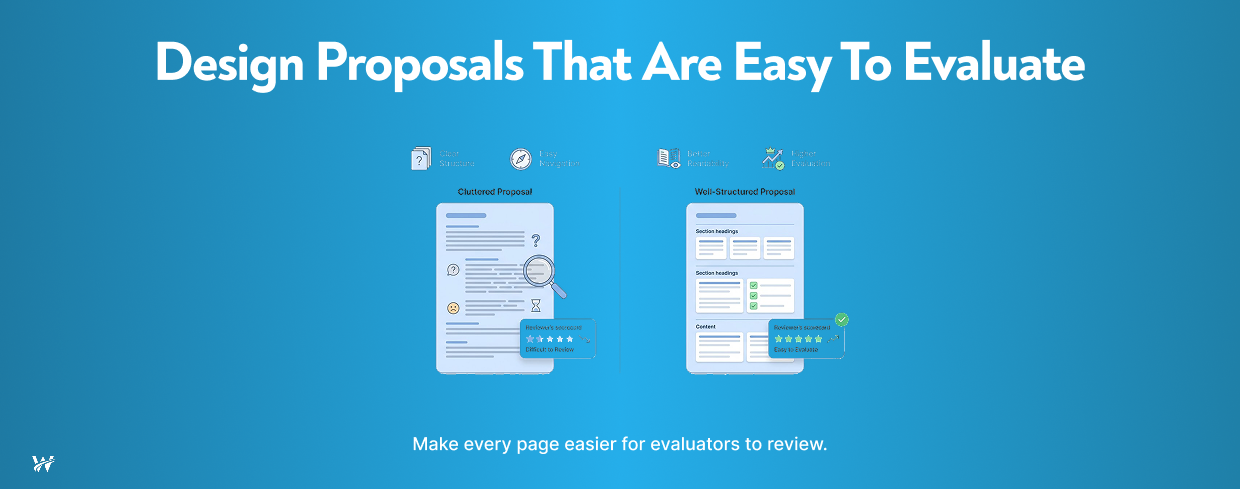
Proposal evaluators often review hundreds or even thousands of pages under tight deadlines. While strong technical content is essential, even the best solution can lose points if reviewers struggle to find, understand, or evaluate the information.
A reviewer-friendly proposal is designed around the evaluator's experience. It presents requirements, responses, evidence, and benefits in a clear and logical structure. Instead of making evaluators search for answers, effective proposal content puts the right information in front of them at the right time.
Building proposals that are easy to read and score can improve communication, strengthen compliance, and help evaluators confidently assess your solution.
Why Readability Matters in Proposal Writing
Evaluators are typically working from detailed evaluation criteria. They need to determine whether a proposal addresses each requirement and how well the proposed solution meets the stated objectives.
Clear proposal content helps evaluators:
Readability is therefore more than a formatting issue. It is an important part of effective proposal writing and can influence how easily your value proposition is understood.
Best Practices for Reviewer-Friendly Proposals
Headings should make the proposal easy to navigate. Whenever possible, organize sections around the requirements, questions, or evaluation criteria in the solicitation.
For example, instead of using a generic heading such as Our Approach, use a more specific heading such as Approach to IT Project Management.
Clear headings allow reviewers to quickly identify where each requirement is addressed and reduce the time they spend searching through the document.
Long blocks of text can make even strong content difficult to read. Use shorter paragraphs and divide complex information into logical sections.
Bullets and numbered lists can be particularly effective when presenting:
The goal is not to eliminate detailed information. It is to organize that information so reviewers can process it efficiently.
Important information should be easy to identify. Tables, callout sections, process diagrams, and other visual elements can help communicate complex information more effectively.
Cybersecurity Risk monitoring and controls Reduced security exposure
Visual elements should support the narrative rather than replace it. Every table or graphic should have a clear purpose and help the reviewer understand your response.
Consistency builds credibility and reduces confusion.
Use the same terminology for your services, technologies, processes, roles, and deliverables throughout the proposal. If a capability is called "IT Project Management" in one section, avoid referring to it as "Technology Project Administration" elsewhere unless there is a meaningful distinction.
Consistent messaging also makes it easier for evaluators to connect information across different sections of the proposal.
One of the most effective proposal writing techniques is to provide the direct answer first, followed by supporting details.
For example, rather than beginning with several paragraphs about your company's experience, start by clearly stating how your approach satisfies the requirement. Then explain the methodology, resources, tools, and past performance that support the response.
This approach follows a simple structure:
Answer → Evidence → Approach → Benefit
It allows reviewers to understand your position immediately while still providing the detail needed to validate your solution.
A proposal should make it obvious how each response satisfies the requirement being evaluated.
If the solicitation identifies specific evaluation factors, use those factors to structure your response where appropriate. Address every element directly and provide evidence that demonstrates your ability to deliver.
For example, if the evaluation criteria emphasize scalability, security, and performance, your response should clearly address each of these areas rather than expecting the reviewer to infer them from a general technical discussion.
Common Proposal Readability Mistakes
Even well-qualified organizations can weaken their proposals through avoidable presentation problems.
Common mistakes include:
These issues can increase the cognitive effort required from reviewers. When evaluators have limited time, unnecessary complexity can make it harder for your strongest points to stand out.
Make Technical Content Easy to Understand
Technical proposals often contain complex information involving IT Services, IT Consulting, Cloud, cybersecurity, Microsoft technologies, data, infrastructure, and applications.
Technical accuracy is important, but technical content should also be understandable to the intended audience.
Avoid using technical terminology simply to demonstrate expertise. Instead, explain what the technology does, why it matters, and how it supports the customer's objectives.
For example, instead of simply stating that your organization provides Azure services, explain how your Azure capabilities support scalability, availability, security, or operational efficiency.
This turns a capability statement into a meaningful customer-focused response.
Focus on Customer Outcomes
Reviewer-friendly content should answer more than "What can you do?"
It should also answer:
How will your solution help the customer?
Connect capabilities to measurable or meaningful outcomes such as:
This customer-centric approach makes proposal content more persuasive while helping evaluators understand the practical value of your solution.
Business Benefits of Reviewer-Friendly Proposals
Designing proposals around readability and evaluation can provide several benefits:
A proposal should not make reviewers work harder to understand why your organization is the right choice.
Conclusion
Strong proposal content is not simply about providing more information. It is about presenting the right information clearly, logically, and persuasively.
Clear headings, concise paragraphs, consistent terminology, effective visuals, direct answers, and customer-focused messaging can make proposals easier to review and score. When evaluators can quickly locate requirements, understand your approach, and recognize the value you provide, your proposal has a stronger opportunity to make an impact.
At Wexus Win Works LLC, we help organizations develop clear, compliant, and customer-focused proposal content that communicates capabilities effectively and supports stronger proposal outcomes.
Ready to make your next proposal easier to read, evaluate, and score? Contact Wexus Win Works LLC to strengthen your proposal strategy and content.